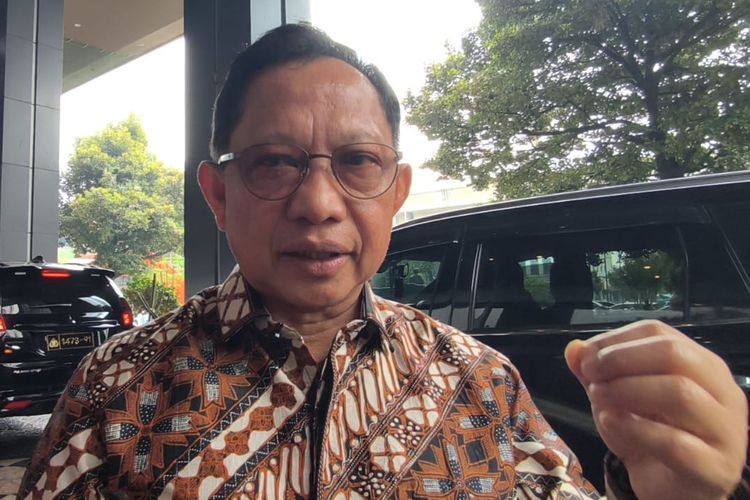


Directorate General: Immigration Thwarts Departure of 39 WNI Suspected of Becoming Russian Mercenaries
-
News
-
3 minutes ago
This article was translated by AI. Read the original article on Kompas.com. See Original
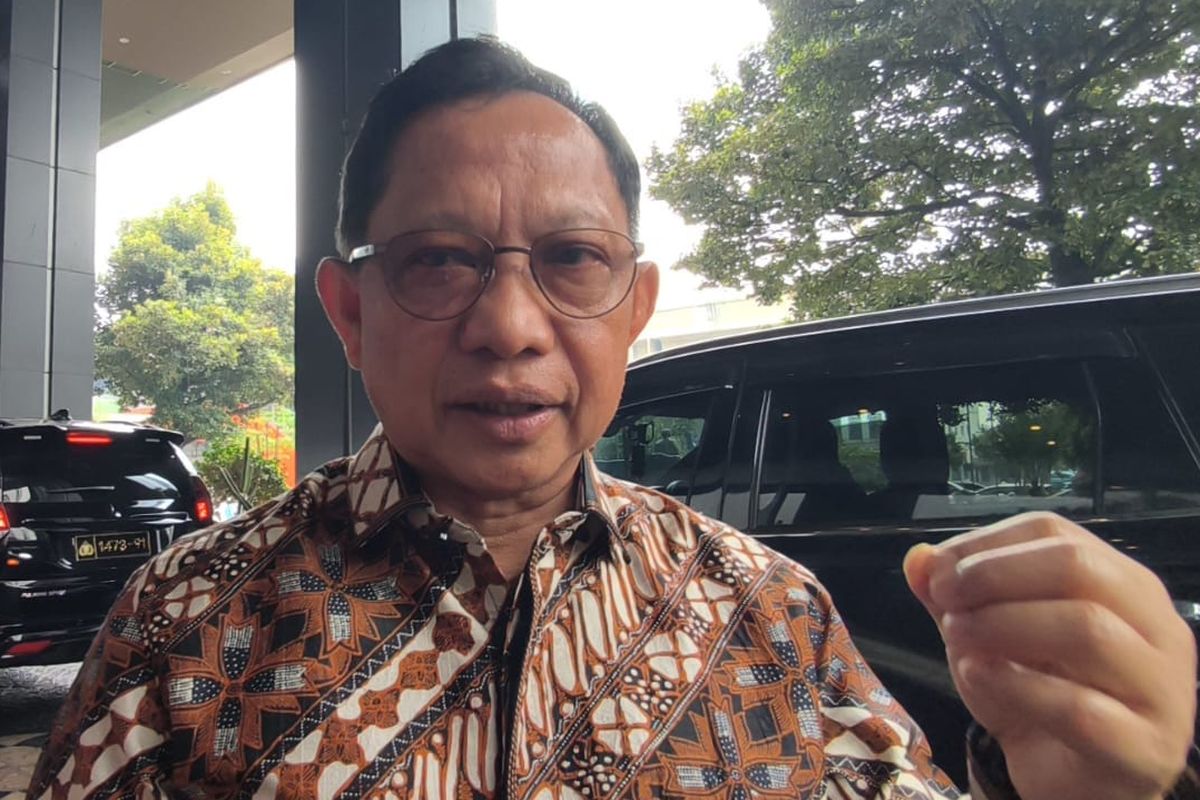
JAKARTA, KOMPAS.com - Minister of Home Affairs Muhammad Tito Karnavian emphasized that the Ministry of Home Affairs continues to monitor the quality of regional regulations to ensure they meet the needs of the community.
"Because once approved, this will have an impact on the public," Tito stated in his remarks on Friday (16/10/2026).
Tito explained that this oversight is carried out through coaching and supervision of local governments.
This includes evaluating drafts of local legal products such as Regional Regulations (Perda) and Regional Head Regulations (Perkada).
Tito noted that local governments have the authority to create various legal products, starting from Perda formed in conjunction with the Regional House of Representatives (DPRD) to Perkada.
Village governments also have the authority to establish legal products like Village Regulations (Perdes) and Village Head Regulations (Perkades).
Therefore, he argued that the drafting process needs to be supervised to ensure that the resulting regulations comply with legal provisions and can be effectively implemented.
Tito assured that his ministry continues to coordinate with the Ministry of Law and the Ministry of State Secretariat in the regulatory harmonization process to ensure the alignment of substance and hierarchy of legal regulations.
"We hope this cooperation continues. And local heads should also work with Legal Regional Offices for greater harmonization," he said.
Additionally, Tito encouraged a shift in the approach to regulatory formation from being primarily reactive to more proactive.
He stated that the government needs to identify issues and potential challenges early on so that the regulations crafted are not only a response to past problems but also serve to anticipate future issues.
"Just like the regions, we have also directed them to make regional regulations that identify problems and subsequently establish regulations based on that," he added.

























