

Condemning the Case in Malang, Minister PPPA Asserts No Child Should Die Due to Violence
-
News
-
17 minutes ago
This article was translated by AI. Read the original article on Kompas.com. See Original
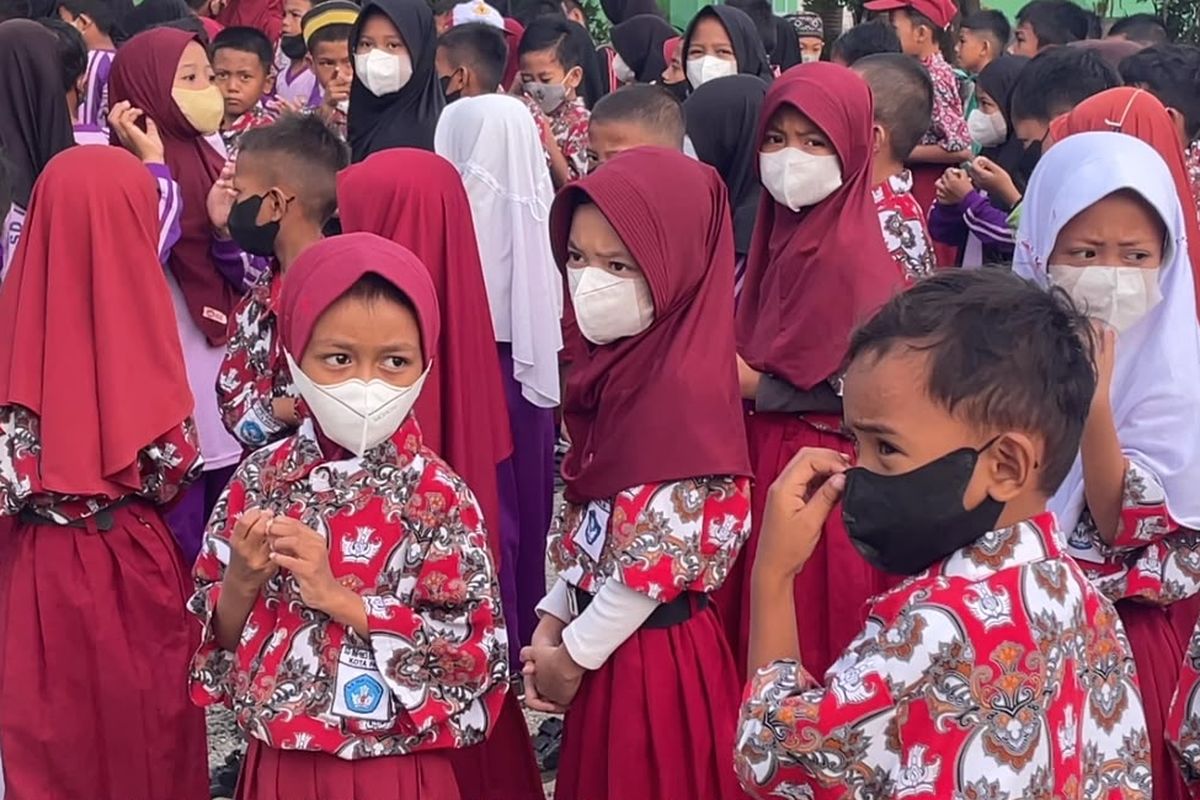
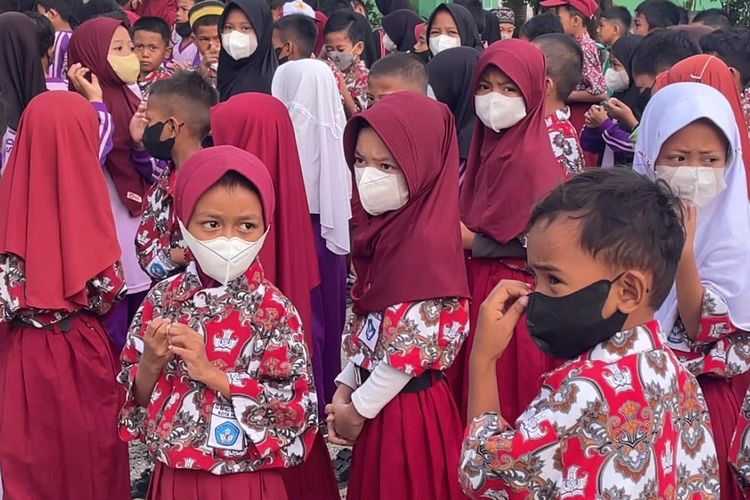
JAKARTA, KOMPAS.com - Kurniasih Mufidayati, Deputy Chair of Commission X of the DPR, emphasized the importance of sustaining education for children amid the impacts of forest and land fires (karhutla) occurring.
According to Kurniasih, handling karhutla cannot only focus on extinguishing the fires but must also ensure that children continue to receive safe educational services.
"Don't let today's haze obscure the future of our children's education. Protecting children from karhutla means safeguarding their health today while also preserving their opportunities for quality education," Kurniasih stated on Friday (16/10/2026).
She acknowledged that temporarily halting face-to-face learning is necessary when air quality poses health risks.
However, distance learning policies should be complemented by readiness for alternative educational services.
This is crucial as there remain disparities in internet access across many areas that hinder the implementation of distance learning.
"The educational issues arising from karhutla do not end with the decision of whether to open or close schools. What must be ensured is that this ecological disaster does not transition into educational inequity. Children without internet access, smartphones, or adequate learning facilities must still receive educational services," Kurniasih emphasized.
On another note, she highlighted the importance of a learning recovery program once air conditions become safe again.
Schools are considered essential in mapping students' learning achievements to identify any material that has not been mastered during emergency learning caused by karhutla.
The results of this mapping can serve as a basis for determining educational recovery steps once the situation stabilizes.
"When air conditions improve and children return to school, our task is not just to return them to the classroom. We must also ensure that no student is left behind due to learning limitations during the karhutla period," Kurniasih said.
Kurniasih hopes that the protection of children's right to education will become an integral part of drought readiness and karhutla management efforts.
According to her, this initiative must include the continuity of educational services during emergencies and the recovery of the learning process after the disaster subsides.
"The fires burning the forests and land must be extinguished immediately. However, the spirit of learning and the hopes of children for a better future must not be extinguished as well. Their safety and educational rights must be equally safeguarded," Kurniasih concluded.

























