

Condemning the Case in Malang, Minister PPPA Asserts No Child Should Die Due to Violence
-
News
-
12 minutes ago
This article was translated by AI. Read the original article on Kompas.com. See Original
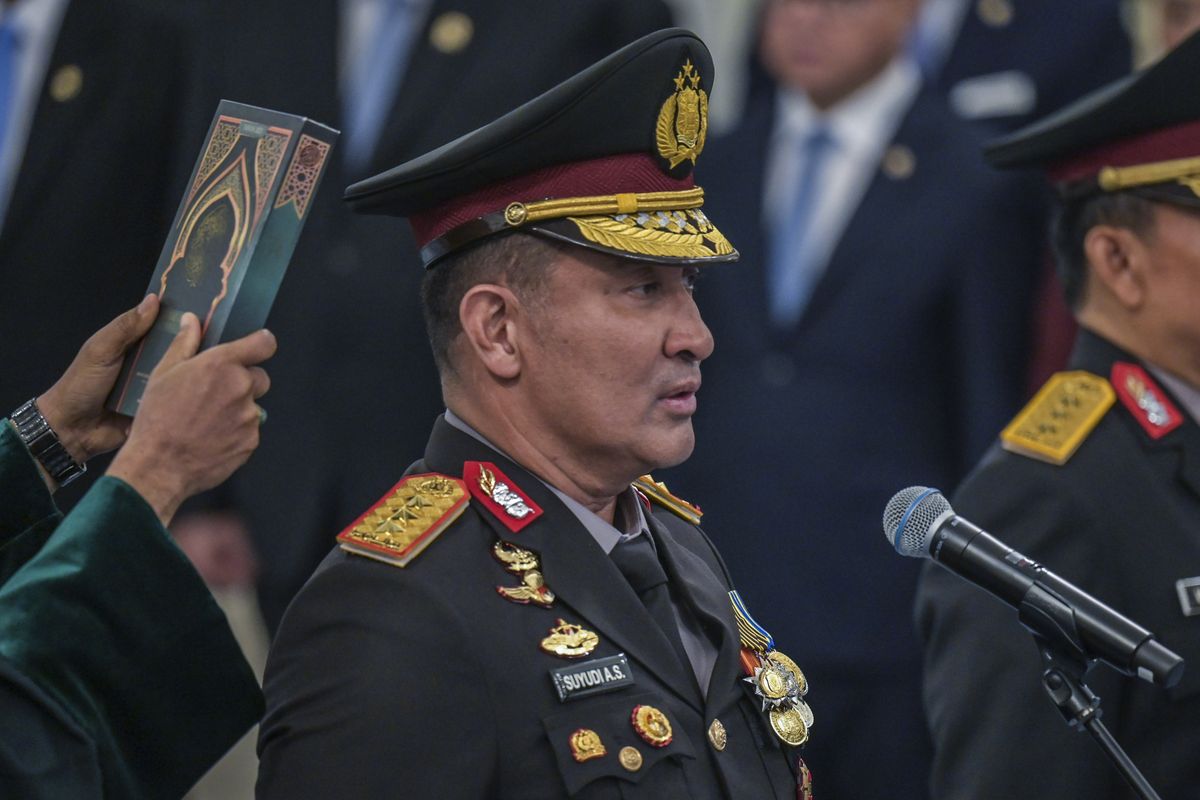
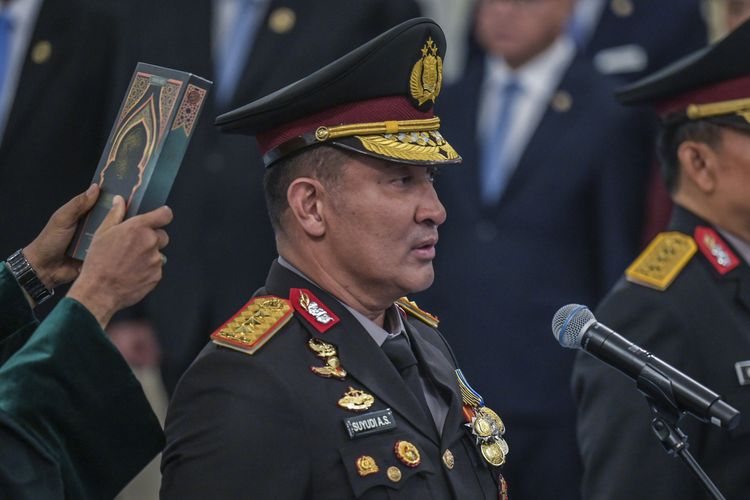
JAKARTA, KOMPAS.com - In his first two weeks as the Chief of the Indonesian National Police (Kapolri), General Suyudi Ario Seto has implemented three significant reshuffles, affecting hundreds of high-ranking and mid-ranking officers.
Just a day after his inauguration on October 1, 2026, Suyudi issued a telegram for the transfer of 88 officers on October 2, 2026.
Eight days later, on October 10, 2026, he rotated another 199 officers.
This third wave of appointments occurred on October 12, 2026, targeting 12 officers.
Several strategic positions changed, including the Head of Criminal Investigation, Head of Intelligence and Security Agency, Head of Traffic Corps, and various directors of special criminal investigations.
This rapid succession of transfers raises questions about the direction of organizational improvements Suyudi intends to pursue at the outset of his leadership.
How far are personnel changes being made to align with the organization's needs and to realize the new Kapolri's vision and mission?
Choirul Anam, a commissioner of the National Police Commission (Kompolnas), believes that the reshuffle of officials should be placed in the context of the new Kapolri's vision and mission.
As the top leader of the police, the Kapolri has the authority to select personnel deemed suitable for their roles and to carry out his leadership agenda.
"The new Kapolri has one vision-mission, one hope, and one working design he wishes to generate results that align with his vision-mission. Therefore, these transfers must be understood as manifestations of that vision-mission," Anam told Kompas.com on Thursday (October 15, 2026).
He added that these changes are part of the effort to place the right people in positions to execute the Kapolri's program.
In Suyudi's leadership, Anam highlights two key challenges for the new officers: bringing the police closer to the community and accelerating the resolution of citizens' complaints and reports.
He stated that proximity to the community requires a cultural shift within the police force.
This includes fostering a humble or low profile attitude, making it easier for police to communicate with residents.
"Proximity to the community, if it lacks a new culture, one aspect is low profile, won't enable closeness between police and the public," he said.

























