

Prabowo: I Can Skydive from Tens of Thousands of Feet, but I'm Nervous Seeing a Syringe
-
News
-
6 minutes ago
This article was translated by AI. Read the original article on Kompas.com. See Original
SELANG a day after the revelation of the corruption case involving the Ready to Use Fund (DSP) of the National Disaster Mitigation Agency (BNPB), President Prabowo Subianto took decisive action by dismissing Army Lieutenant General Suharyanto.
The head of BNPB position has been taken over by Army Lieutenant General Kristomei Sianturi.
Previously, the Corruption Eradication Commission (KPK) established five suspects in the case concerning alleged corruption in the procurement of goods and services using the DSP funds of BNPB.
One of the suspects is Bima Setyawan, Suharyanto's younger brother and expert staff.
While there is not enough evidence yet to confirm that the leadership change is a direct consequence of the corruption case, the series of events raises serious questions regarding the integrity of disaster management institutions in Indonesia.
The issue is not merely the change of officials or who is designated as a suspect. More fundamentally, it concerns how the budget allocated to protect the public from disasters can become entangled in allegations of misuse.
Disaster funds have a strategic function as they must be available when communities face emergencies.
The misuse of such funds not only poses a risk to state finances but also diminishes the government's ability to fulfill its obligation to protect its citizens.
This case reminds us of the procurement of personal protective equipment (PPE) in 2020, which also utilized funds from the DSP of BNPB.
In that case, the KPK investigated allegations of corruption in the procurement of PPE at the Ministry of Health, with state losses according to a BPKP audit totaling IDR 319 billion.
Both cases have different constructs and parties involved. However, their emergence underscores the importance of oversight regarding the use of emergency funds, especially when the need for rapid procurement can inadvertently increase the opportunity for abuse of authority.
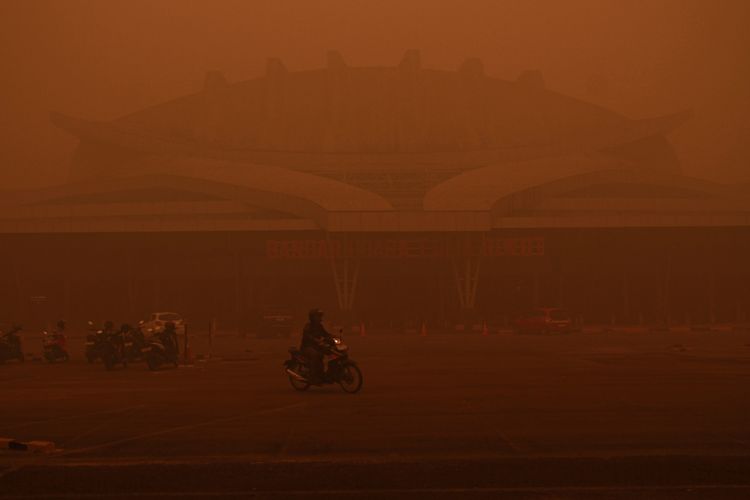
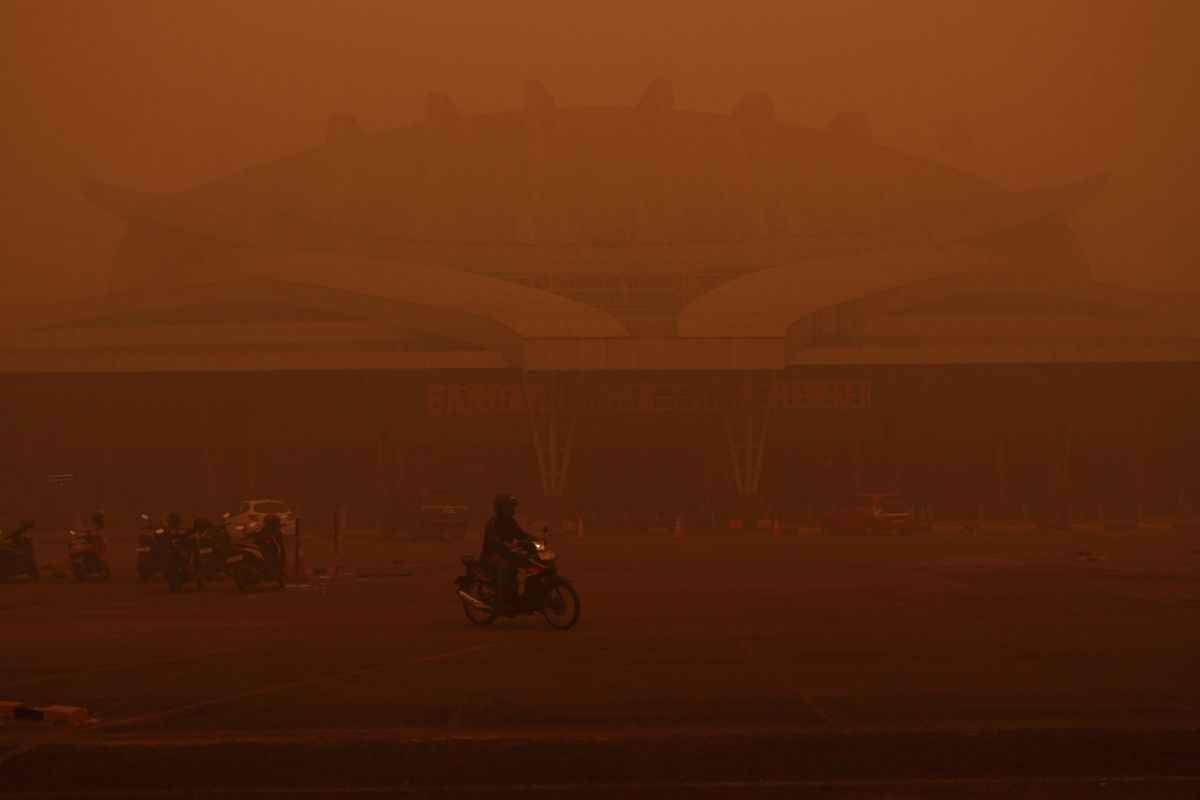
This issue pertains to the management of forest and land fires (Karhutla), which recurs annually, causing ecological, health, and economic losses.
Karhutla cannot merely be understood as a result of dry weather or limited technical firefighting capabilities.
This issue is also related to the governance of natural resources, economic-political interests, and the ability of state institutions to carry out their mandates consistently.
Forest fires are framed within the relationship between the exploitation of natural resources and economic-political interests.
Forests can be viewed as ecosystems that must be protected but also as productive spaces whose economic value increases when converted into plantations.
This conflict of interests influences policies, oversight, and law enforcement. Plantations, especially palm oil, contribute economically through exports, job creation, and production activities.
However, these benefits cannot justify land clearing that harms the environment or violates laws.
When economic gains are concentrated among businesses, while the costs of damage are borne by the community, development faces serious issues in the distribution of benefits and losses.

























