

Condemning the Case in Malang, Minister PPPA Asserts No Child Should Die Due to Violence
-
News
-
15 minutes ago
This article was translated by AI. Read the original article on Kompas.com. See Original
JAKARTA, KOMPAS.com - The Indonesian National Armed Forces (TNI) Headquarters respects the Constitutional Court's (MK) ruling that declared Law No. 31 of 1997 on Military Justice unconstitutional with conditions, provided it is not amended within two years from the decision.
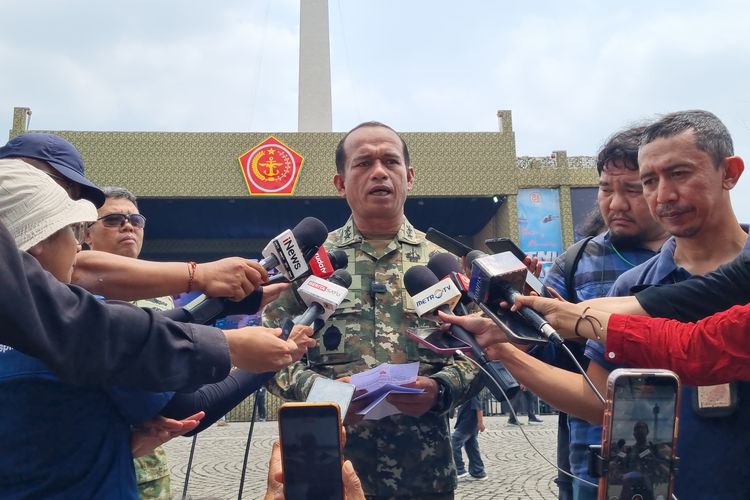
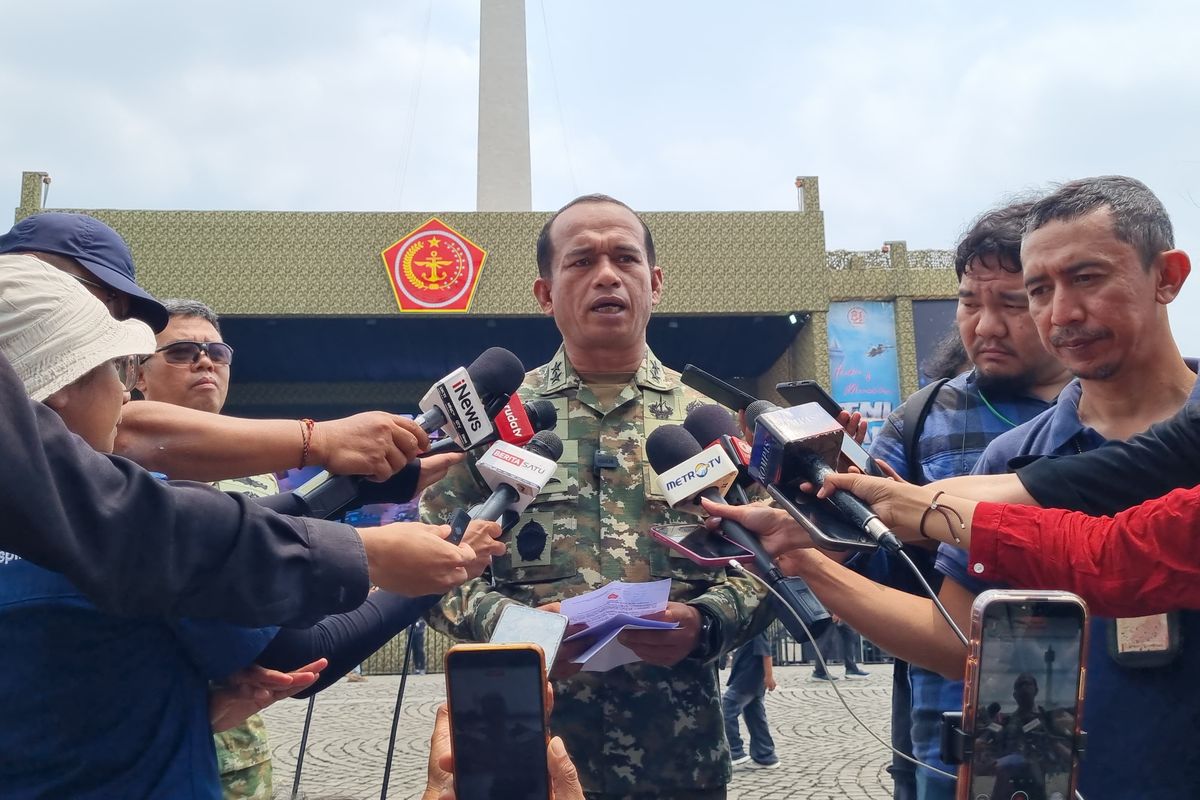
"As a law-abiding state institution, the TNI respects and adheres to all decisions made by the Constitutional Court," stated TNI's Chief of Information Center Major General Muhammad Nas, during a confirmation on Friday (16/10/2026).
Nas emphasized TNI's commitment to upholding the principles of the rule of law.
"The TNI is committed to always uphold the principles of the rule of law and legal supremacy in Indonesia," he said.
The Constitutional Court's ruling declared Law No. 31 of 1997 on Military Justice unconstitutional with conditions, as long as it is not amended within two years from the decision.
This ruling is encapsulated in Constitutional Court Decision No. 260/PUU-XXIII/2025, which was read on Thursday (15/10/2026).
The first part of the ruling states, "The court has adjudicated and granted all petitions brought by the applicants."
The second part proclaims that Law No. 31/1997 on Military Justice contradicts the 1945 Constitution of the Republic of Indonesia.
"And it has conditional legal force that does not bind, as long as no amendments are made within a maximum of two years from the date of the ruling," according to the Constitutional Court's decision.
In the third part of the ruling, the Constitutional Court reiterated that if no amendments are made within two years from the date of the decision, the law will be declared unconstitutional and will no longer be valid.
One of the applicants' arguments that was considered by the MK is the issue of impunity in military justice.
According to the MK, the more specific the criminal acts relating to military characteristics, the weaker the rationale for maintaining the jurisdiction or authority of military courts.
For this reason, the MK believes that for general crimes committed by TNI soldiers, utilizing general courts can help prevent the risk of impunity.
"Therefore, the Court assesses that military tribunals derive legitimacy from the specificity of military cases, so when there is no specialty in the case, the rationale for maintaining the jurisdiction of military courts loses its foundation," stated the decision.
The MK also considered legal facts that there is still no clarity regarding the distinction between military and general crimes committed by TNI soldiers.
From various arguments, the MK concluded that the Military Justice Law must be revised to include a clear definition of military crimes and general crimes, as well as the limits of authority for military and general courts related to crimes committed by TNI soldiers.

























