

Condemning the Case in Malang, Minister PPPA Asserts No Child Should Die Due to Violence
-
News
-
26 minutes ago
This article was translated by AI. Read the original article on Kompas.com. See Original
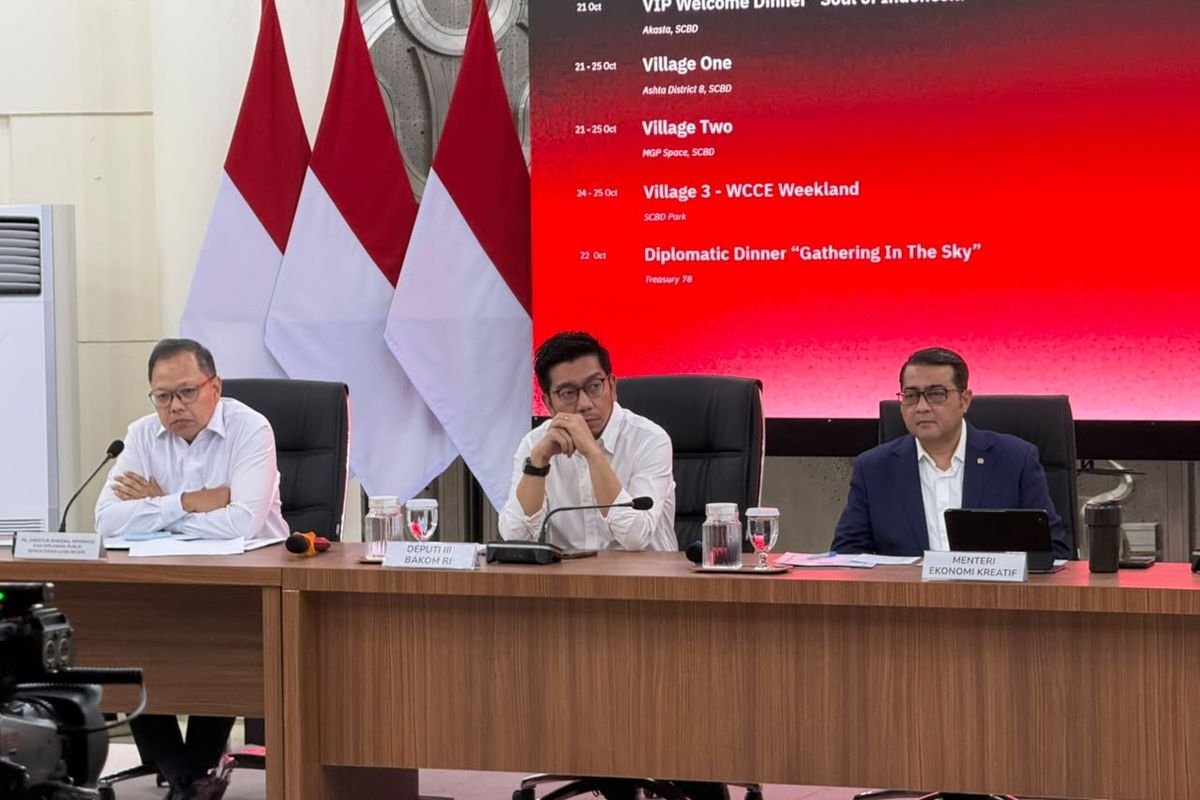
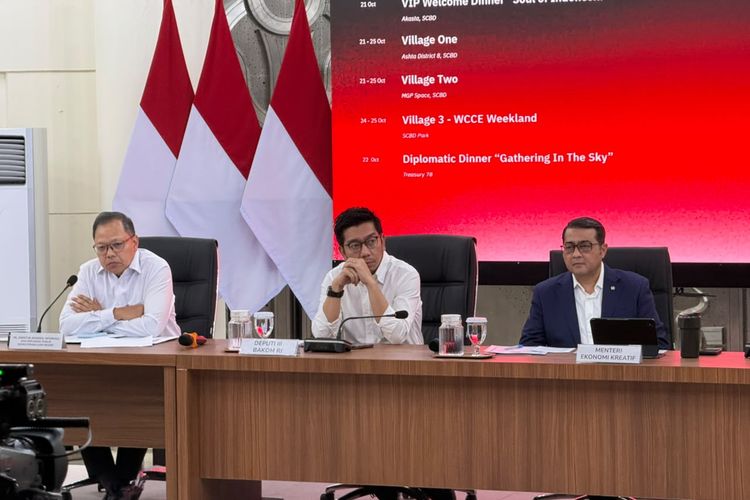
JAKARTA, KOMPAS.com - The Minister of Creative Economy, Teuku Riefky, announced that Indonesia is preparing to host the World Conference on Creative Economy (WCCE) 2026 at the Kempinski Hotel in Jakarta from October 21 to 23.
Teuku claims that this forum is the largest international and multilateral conference on the creative economy in the world.
According to Teuku, WCCE presents a strategic opportunity to showcase Indonesia's creative potential on the global stage, as mandated by President Prabowo Subianto through Presidential Regulation Number 37 of 2026 on the Master Plan for Creative Economy (Rindekraf).
“This year’s WCCE is a moment to strengthen Indonesia's reputation and leadership in the international creative economy, while also promoting the creative economy as part of the global development agenda after the Sustainable Development Goals (SDGs) conclude in 2030,” Teuku said at a press conference at Bakom’s office in Jakarta on Thursday (15/10/2026).
Teuku explained that WCCE will bring together world creative economy leaders, policymakers, industry players, creators, communities, academics, and investors.
This year, WCCE carries the theme 'Inclusively Creative' aimed at bridging economic and cultural gaps irrespective of age, gender, background, or geographical location.
Since its initiation by Indonesia in 2018, WCCE has grown into a global platform that connects various elements within the creative economy ecosystem.
This year’s event marks the fifth gathering and the third time Indonesia has hosted it.
Delegates from 80 countries and global organizations are scheduled to attend the forum.
“The objective of this international conference is to produce a consensus in the development of the global creative economy, which will be documented in a paper titled ‘Jakarta Vision on Creative Economy’,” he explained.
Teuku indicated that the document will encompass four main pillars: artificial intelligence and digital transformation, sustainability, circular economy, and regenerative design, intellectual property and the rights of creative workers, as well as inclusivity within the creative ecosystem and community empowerment.
He hopes the document will serve as a basis for discussions on United Nations (PBB) resolutions regarding the creative economy as part of the development agenda.
Additionally, Teuku anticipates that the forum will strengthen networks and collaborations within the creative ecosystem comprising governments, businesses, academics, associations, media, and financial institutions.
WCCE is also expected to boost the creative economy's contribution to the national economy by enhancing investment opportunities and expanding market access.
During the same occasion, Deputy Head of Bakom, Fadli Tri Hartono, stated that the government will continue to ensure local creativity can connect with global creativity through measured and directed communication.

























