

Prabowo: I Can Skydive from Tens of Thousands of Feet, but I'm Nervous Seeing a Syringe
-
News
-
3 minutes ago
This article was translated by AI. Read the original article on Kompas.com. See Original
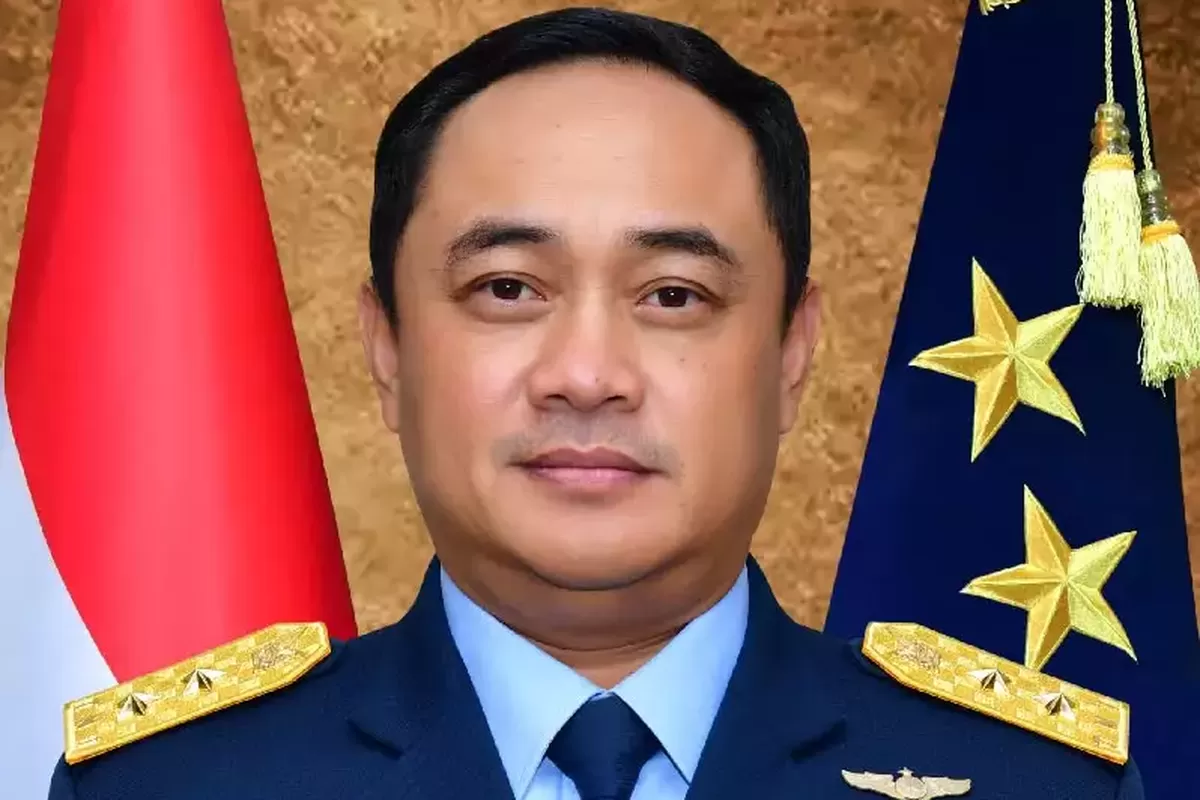
JAKARTA, KOMPAS.com - Air Vice Marshal (Marsda) TNI Ian Fuady has received a promotion to Commander of the Air Operations Command (Pangkoopsau).
The news was confirmed by the Head of the Indonesian Air Force Information Service (Kadispenau) Air Commodore Feri Yunaldi.
"Yes (Marsda Ian Fuady is now Pangkoopsau)," Feri told Kompas.com on Tuesday (13/10/2026).
A graduate of the Indonesian Air Force Academy (AAU) in 1993, where he was awarded Adhi Makayasa, Fuady is recognized as one of the Indonesian Air Force's F-16 pilots.
He was involved in the interception of five F/A-18 Hornet jets belonging to the United States Navy near Bawean Island, East Java, on July 3, 2003.
The Bawean Incident began when Indonesia's air defense radar detected several aircraft flying in tight formation around Bawean Island in the Java Sea.
The aircraft were unidentifiable and had not communicated with Indonesian air traffic controllers.
Their maneuvers were reported to pose a danger to civil aviation.
The Indonesian Air Force then deployed two F-16 fighter jets to intercept and identify the aircraft.
At the time, Ian held the rank of captain and served as the flight leader, known as Falcon 1.
He piloted an F-16 with tail number TS-1603, with Captain (Pnb) Fajar Adriyanto as the pilot in the rear cockpit.
Meanwhile, Falcon 2 operated an F-16 with tail number TS-1602.
This aircraft was manned by Captain (Pnb) Mohamad Tonny Harjono (currently the Chief of Staff of the Air Force) and Captain (Pnb) M. Satrio Utomo.
As they approached the location, the two F-16s encountered five US Navy F/A-18 Hornets associated with the USS Carl Vinson carrier strike group.
The situation escalated when the radar warning system on the F-16 detected indications that their aircraft were being radar-locked by the opposition.
This prompted maneuvers to avoid the radar lock.
In the midst of this situation, the Indonesian Air Force pilots worked to prevent tensions from escalating into open conflict.
One maneuver employed was rocking wing, which involves shaking the aircraft's wings as a visual signal.
Once radio communication was established, the US Navy indicated that they believed they were operating in international waters.
Ian then explained that the Indonesian F-16s were conducting patrols.
He also requested the aircraft to communicate with Indonesian air traffic control via Surabaya or Bali.
Following the communication, the US Navy aircraft moved away and returned to their carrier group.
The Indonesian F-16s continued their patrol before returning to Iswahjudi Air Base.
This incident became a significant event in Ian's career as a fighter pilot.
The experience highlighted the challenges faced by Indonesian Air Force pilots in identifying and responding to foreign aircraft activities in Indonesia's airspace.

























