

On Vice Presidential Election in the MPR, PKB: If Possible, Consensus
-
News
-
23 minutes ago
This article was translated by AI. Read the original article on Kompas.com. See Original
WHO IS THE DOOR OF THE DPR OPEN FOR? The rhetorical question posed in this article's title spontaneously emerged in the public's mind after the viral video of a confrontation between activists from the Civil Society Coalition, part of the Civil Collective Alliance (AKSI), and the security personnel at the Indonesian Parliament (DPR).
At that moment, DPR security attempted to limit the number of participants voicing their aspirations for the safety of the parliamentary building. (Kompas, 13/10/2026)
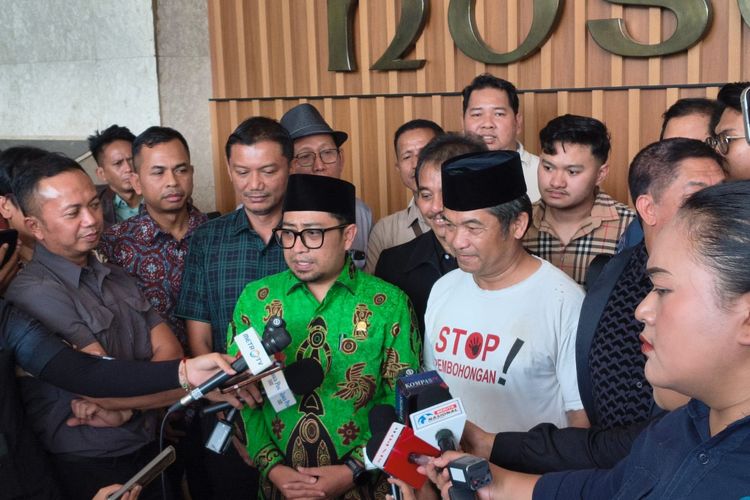
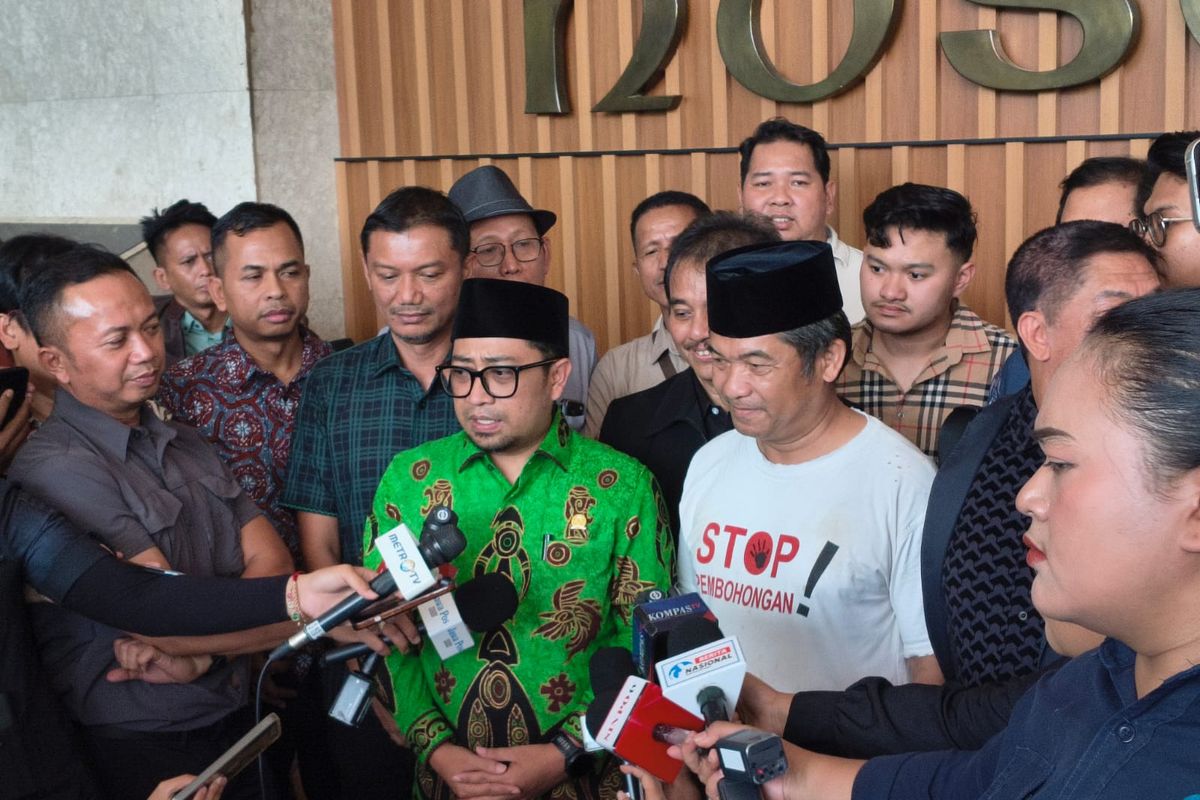
The Civil Society Coalition, led by Ray Rangkuti, Ubedilah Badrun, and Effendi Gazali, was scheduled to have an audience with the leadership of the PKB faction at the DPR regarding the discussion of the inquiry rights in response to the Constitutional Court's decision concerning the education requirements of Gibran Rakabuming.
This bureaucratic obstruction raises questions: Who is the door of the DPR open for, and under what conditions?
The limitation of the audience to only five participants sparked conflict. Negotiations were vigorous. After lengthy negotiations, all representatives of the community group were eventually allowed to enter.
The narrative shifted drastically once the attention of the bureaucratic leaders was drawn: what initially seemed like an obstruction ended up as a compromise.
In this case, to be proportional, we need to consider the context of the event. The tightening of security measures at the DPR took effect after the August 2025 demonstrations.
Institutions that have previously been caught off guard tend to tighten procedures, which reflects institutional reflexes, not a political stance toward certain guests.
It's worth noting that this rigidity does not last. It melts away through dialogue, indicating that the institution is still open to communication.
Here, the legal argument must be emphasized. The MD3 Law (Law No. 17 of 2014) Article 72 letter g places the absorption, collection, accommodation, and follow-up of public aspirations as one of the duties of the DPR.
Let’s examine the four verbs in the above statement: the first three concern receiving, while the fourth pertains to acting. Receiving guests without following up on their aspirations only fulfills half of the duty.
Therefore, an audience is not a ceremonial event or a hospitality bonus from the DPR. It is part of the obligations mandated by law, and civil society coming to this meeting is demanding the execution of that duty, not pleading for mercy.
In this context, the idea of the public sphere proposed by Jurgen Habermas deserves our attention. For Habermas, a healthy democracy requires a space where citizens can express arguments and receive responses through argumentation, not solely through procedures.
This space is valuable not because of its noise, but because the opinions formed within truly enter into the political decision-making process. Without a link to the parliament, public discussions only echo.
From this perspective, the parliament faces two tests. The first is access: can citizens enter and speak? The outcome of this audience passed that test.

























