

Chair of Commission III of the House of Representatives Calls East Java Police Chief to Monitor Case of Bullying Against High School Student in Malang
-
News
-
6 minutes ago
This article was translated by AI. Read the original article on Kompas.com. See Original
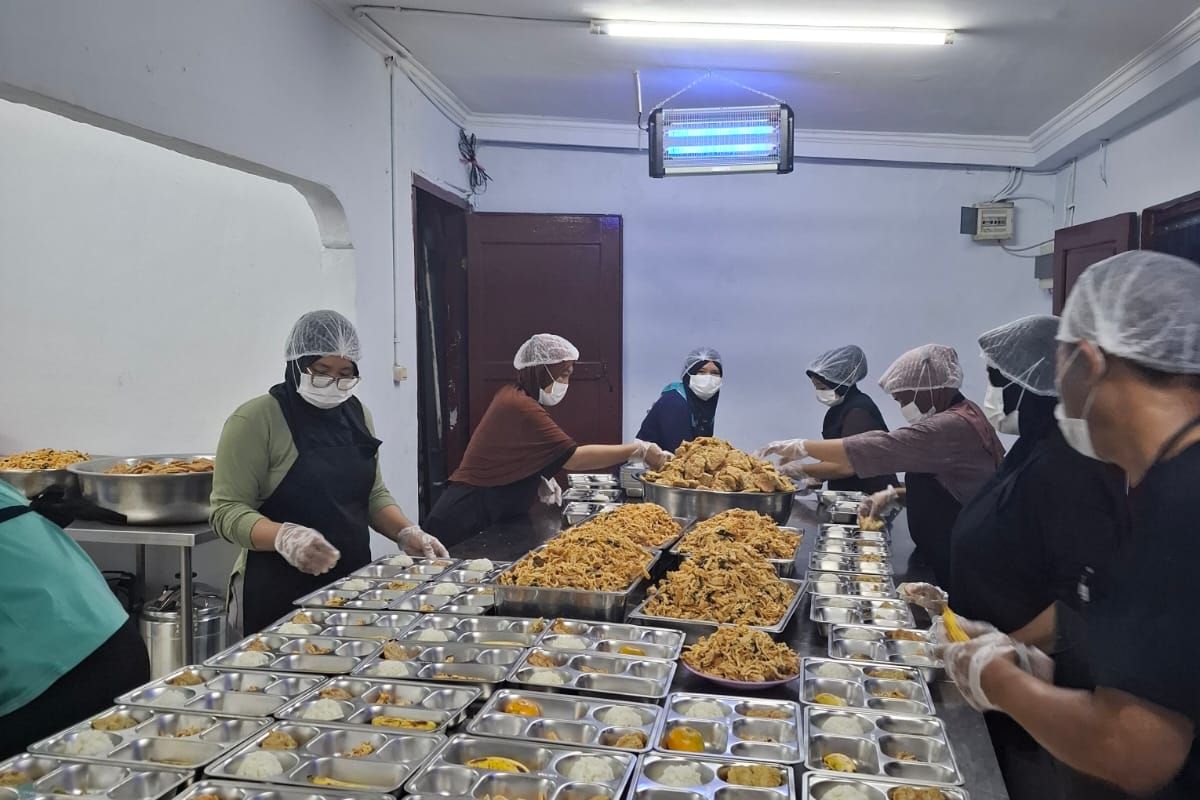
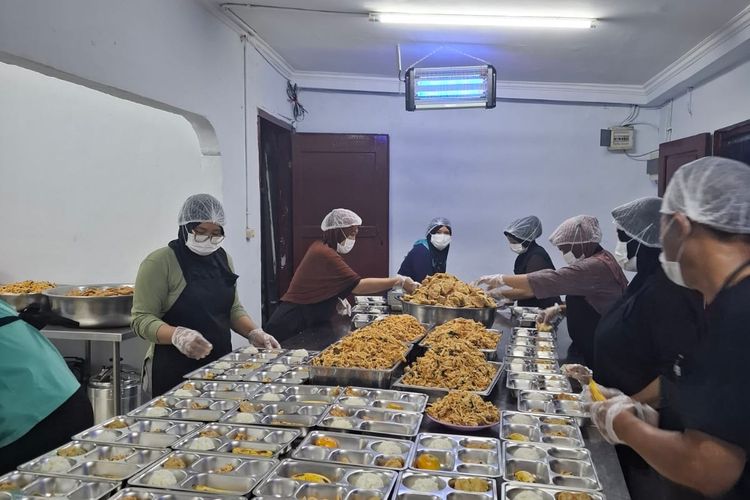
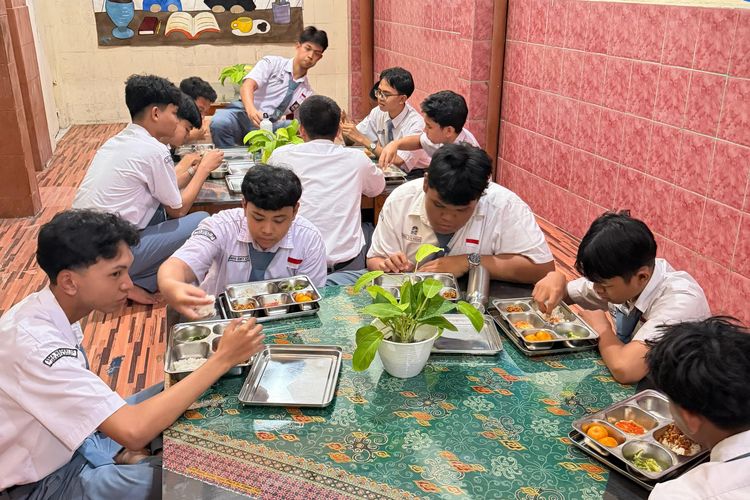
JAKARTA, KOMPAS.com - The Free Nutritious Meal (MBG) program continues into the second year of President Prabowo Subianto's administration, with its official launch on October 20, 2026.
The number of beneficiaries has significantly expanded.
Launched on January 6, 2025, the program has reached 56.99 million beneficiaries, accounting for 76.45 percent of the target of 74.56 million, with a gap of 17.56 million beneficiaries as of August 2026.
In 2027, the National Nutrition Agency (BGN) aims to serve 72,464,886 beneficiaries, despite a budget efficiency cut of IDR 30 trillion in the Government Assistance (Banper) component for MBG.
The target includes 60,599,777 students from various educational levels, ranging from Early Childhood Education (PAUD/RA/TK), Elementary Schools (SD/MI), Junior High Schools (SMP/MTs), to Senior High Schools (SMA/MA/SMK) and Special Schools (SLB), as well as santri.
Meanwhile, 11,865,109 other beneficiaries include pregnant women, nursing mothers, and toddlers.
On another note, BGN is restructuring the program to ensure it meets its objectives.
Recently, BGN delisted 1,653 educational institutions from the list of MBG beneficiaries across Indonesia.
These schools are internationally accredited and financially independent, not relying on School Operational Assistance (BOS).
So, how should this program progress in the coming years?
Health expert Hasbullah Thabrany suggested that MBG should not be distributed equally to all school children.
He noted that some schools have students from higher-income families who can support themselves.
"If we want to adopt a populist policy to encourage school children, I think it’s still necessary, but it should be selective. Not everyone and not all schools, especially private schools for wealthy children. Let them buy their own," Hasbullah told Kompas.com on Monday (12/10/2026).
He argued that providing MBG to all schoolchildren could potentially waste state funds that could be allocated for various other programs.
Moreover, Hasbullah emphasized that if the primary goal is to prevent stunting, it should start during pregnancy and continue through early childhood.

























