

The MK Claims that the Discussion of the Police Law in the DPR Does Not Comply with the Stages of Law Formation
-
News
-
7 minutes ago
This article was translated by AI. Read the original article on Kompas.com. See Original
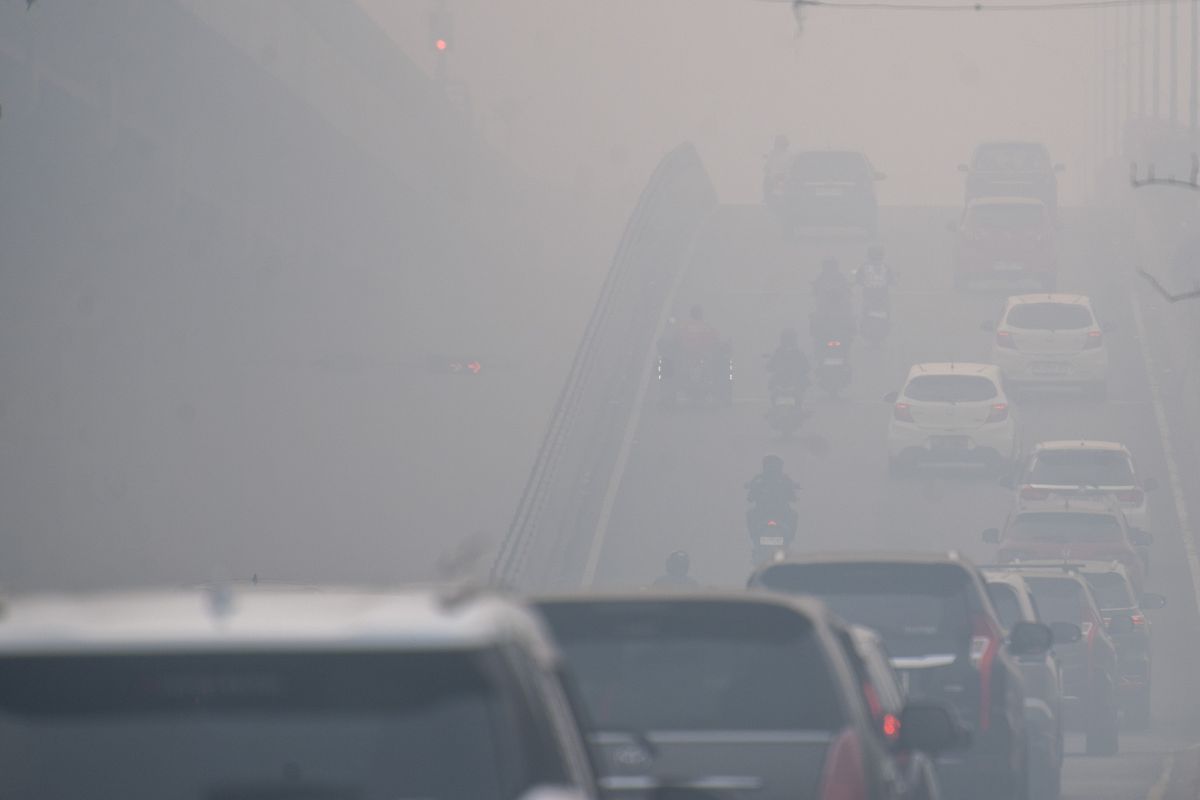
JAKARTA, KOMPAS.com - The National Disaster Management Agency (BNPB) clarified the reasons behind the conclusion of Japan's assistance mission for forest and land fire (karhutla) control in Kalimantan.
“The assignment is complete, and Indonesia is also considered capable of handling it on its own, not that Indonesia rejected their assistance,” said Acting Head of BNPB's Data and Communication Center Berton SP Panjaitan to Kompas.com, on Tuesday (13/10/2026).
Berton emphasized that the end of Japan's assistance mission does not mean that Indonesia is completely free from karhutla.
“Rather, it signifies the conclusion of the international aid mission that was executed in accordance with the coordination and agreement of both countries,” he stated.
Citing an official statement from the Japanese Ministry of Defense on September 29, 2026, Berton noted that the firefighting assistance operation took place from September 16 to 29, 2026.
“The Indonesian government expresses its appreciation because this support has helped prevent the spread of fires while also conveying that subsequent handling can be continued by the Indonesian government,” he stated.
During this period, three Japanese CH-47 Chinook helicopters conducted over 40 air firefighting operations and dropped around 220 tons of water to help extinguish the fires in Kalimantan.
“Therefore, we view the conclusion of this mission as part of the humanitarian cooperation between Indonesia and Japan that has been carried out according to the needs and coordination of both nations,” he explained.
After the Japanese mission concluded, Indonesia continued its karhutla management through ground task force operations, air support, hotspot monitoring, and efforts to prevent recurring fires.
Berton reminded that the potential for karhutla still needs to be monitored, especially in peatlands that can re-ignite.
For this reason, extinguishing and preventive measures must continue even though international assistance has ended.
“We would like to express our appreciation to the Japanese government and all personnel who have assisted Indonesia. This collaboration also serves as an important experience in strengthening future disaster management coordination and capacity between the two countries,” said Berton.