
Cak Imin Encourages Pesantren-Based Vocational Schools to Elevate Standards to International Levels
-
News
-
58 minutes ago
This article was translated by AI. Read the original article on Kompas.com. See Original
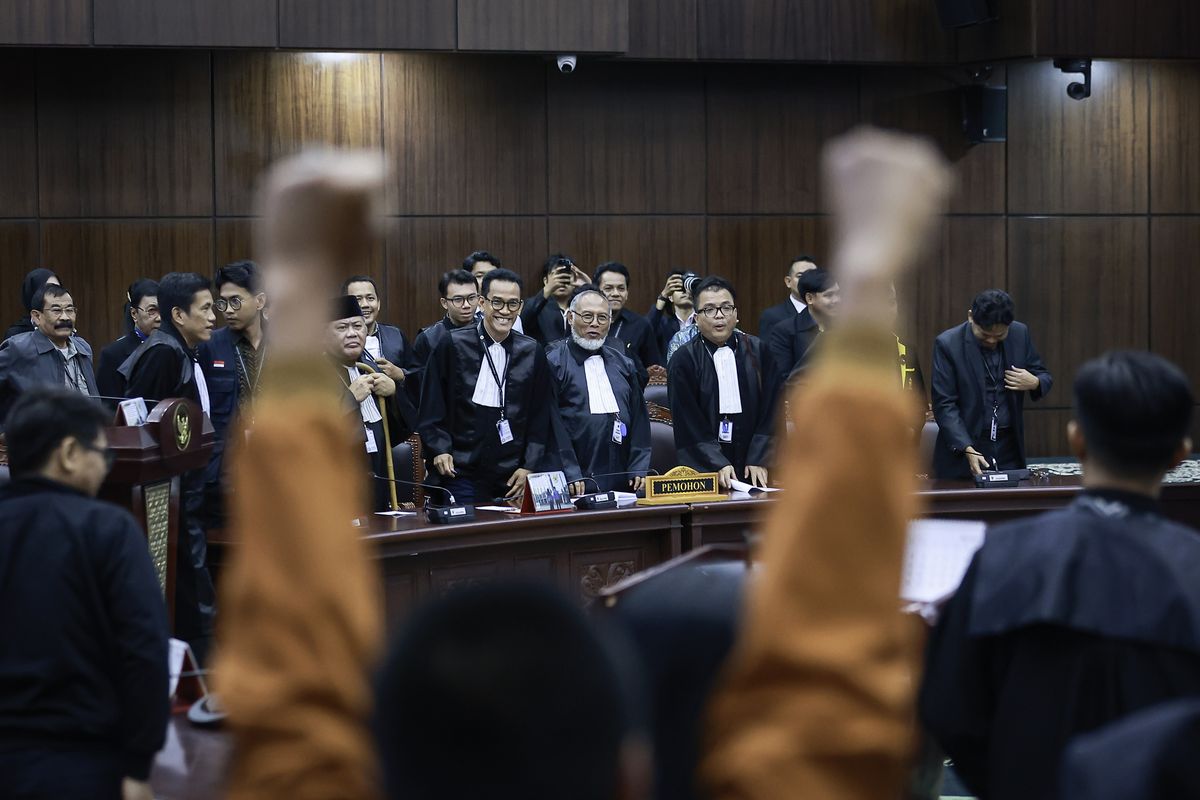
DEBATE over Joko Widodo's degree and Gibran Rakabuming Raka's educational requirements continues to resonate.
Political statements, legal debates, and speculation about the potential ouster of Gibran have dominated public discourse for months.
Meanwhile, two major government programs are grappling with issues that are much more pertinent to people's daily lives: Free Nutritious Meals (MBG) and the Red and White Village/Urban Cooperatives (KDKMP).
Both are not minor initiatives. They involve substantial public funds, a broad reach of beneficiaries, and their failures have immediate impacts on the community.
In the case of MBG, the issues at hand even relate to the safety of children.
Throughout September 2026, reports of suspected food poisoning have emerged from various regions.
Pati, Rembang, Sidoarjo, Bengkulu, Pariaman, Batang, and other areas have recorded victims numbering from dozens to hundreds in a single incident.
The data on the number of victims varies according to the sources and the duration of recording.
MBG Watch reported at the beginning of September that there were over 43,000 victims in approximately 20 months of the program.
During a meeting of Commission IX of the House of Representatives on September 3, 2026, it was even mentioned that the Health Ministry’s surveillance data, as of September 2, recorded 50,059 victims across 560 incidents in 36 provinces.
Regardless of the final figures announced by the government, the situation cannot be viewed merely as one or two isolated incidents.
The head of the National Nutrition Agency noted that over 80 percent of the cases recorded since late July are related to violations of standard operating procedures. This indicates systemic issues in implementation.
MBG has an undeniable goal: ensuring children receive nutritious food, especially those from economically disadvantaged families.
However, a good objective does not automatically lead to effective execution.
When food is produced in enormous quantities, distributed daily, involving thousands of kitchens, suppliers, processing staff, distribution vehicles, schools, and millions of beneficiaries, quality control must be exceptionally stringent.