

Prabowo: I Can Skydive from Tens of Thousands of Feet, but I'm Nervous Seeing a Syringe
-
News
-
3 minutes ago
This article was translated by AI. Read the original article on Kompas.com. See Original
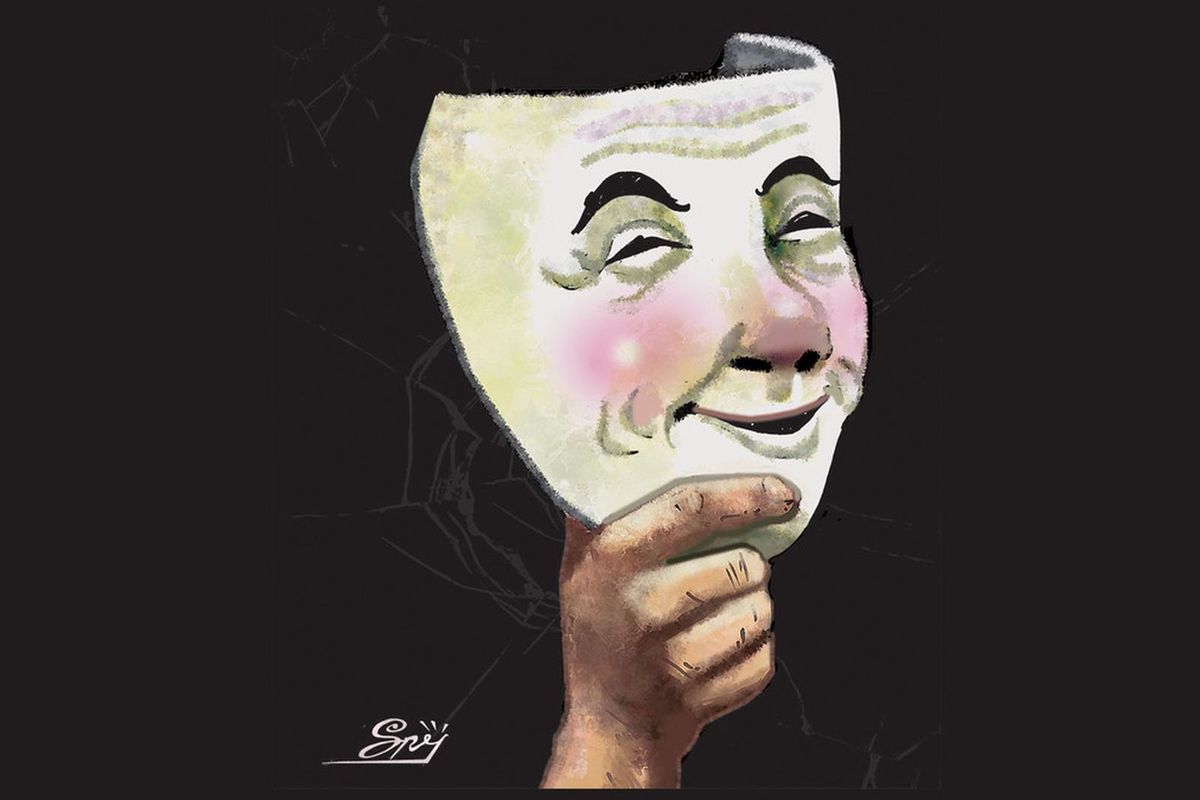
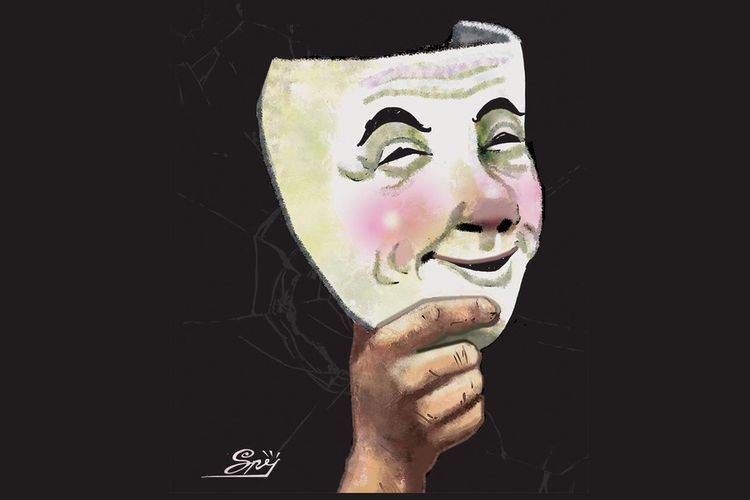
IMAGINE a clown walking onto a stage. His shoes are too big. He trips and then exaggerates his movements to provoke laughter.
The audience knows it's all part of a performance. They buy tickets, give their time, and leave after the show ends.
The shoes are part of the act. No one expects him to wear them for everyday life.
In politics, the line between play and work is more difficult to see. The stage does not always have curtains. The entertainer today might make decisions tomorrow.
Words that elicit laughter can shape how society understands issues affecting many lives.
The clown has his own skill set: turning movements, surprises, and failures into entertainment.
In this essay, he becomes a metaphor for political behavior that treats democracy as a performance. The critique focuses on the habit of chasing public attention while accountability slips from view.
Democracy requires public communication so citizens can recognize and evaluate the ideas presented.
This communication becomes problematic when its success is primarily measured by the attention gained while the reasons behind decisions, their implementation, and their consequences go unchecked. Citizens are still addressed, but their questions are left unanswered.
Lighting determines what is visible. In performances, lights can spotlight one face while dozens of workers remain concealed in darkness.
We remember the main character, rarely thinking about those who set up cables or move equipment.
Politics also has its lighting. Speeches, visits, photos, and fragments of conversations direct attention to specific parts of public activities. All of this can help convey information.
However, information becomes poor when only scenes beneficial to the performer are provided.
Government work often lacks forms attractive to cameras. Reviewing budgets, hearing objections, improving service procedures, and evaluating policy outcomes take time. The results aren't always easily summarized into sound bites.
Democracy requires visibility that goes beyond appearances. Citizens need to examine the undertakings not spotlighted by cameras. There lie the records of decisions, use of resources, and the consequences borne by others.
In communal life, we play roles. A teacher speaks as an educator, a judge exercises judicial authority, a representative bears the responsibility of representation. Roles help people understand what can be expected from a position.
Thus, a mask does not always signify deceit. Roles can guide someone in fulfilling obligations. When acting in office, one must consider duties and rules, even when they do not coincide with personal desires.
Problems arise when roles are used merely to gain respect. People maintain the language of service but are reluctant to provide explanations that can be scrutinized.
A person's face may well become the face of an institution in the public eye. However, the authority inherent in their position is still constrained by duties and rules. Respect for the office does not render its holder immune to questioning.
Attention and trust have different demands. Attention can be gained in an instant; trust requires an opportunity to be tested.
We cannot know the entire inner workings of a political actor. What can be assessed is the relationship between statements, decisions, and their repercussions, including their willingness to explain something that undermines their image.
Political trust does not demand that citizens relinquish all doubts. Rather, the right to ask makes trust renewable as circumstances change.
A willingness to accept scrutiny provides a stronger foundation for trust than personal charisma. Citizens gain reasons to believe while still having avenues for correction.
Humor can create cracks in walls of authority. Something that has been treated as lofty for too long suddenly appears flawed.

























