

Malang Bullying Case: Legislator States Minors' Status Doesn't Exempt Legal Responsibility
-
News
-
29 minutes ago
This article was translated by AI. Read the original article on Kompas.com. See Original
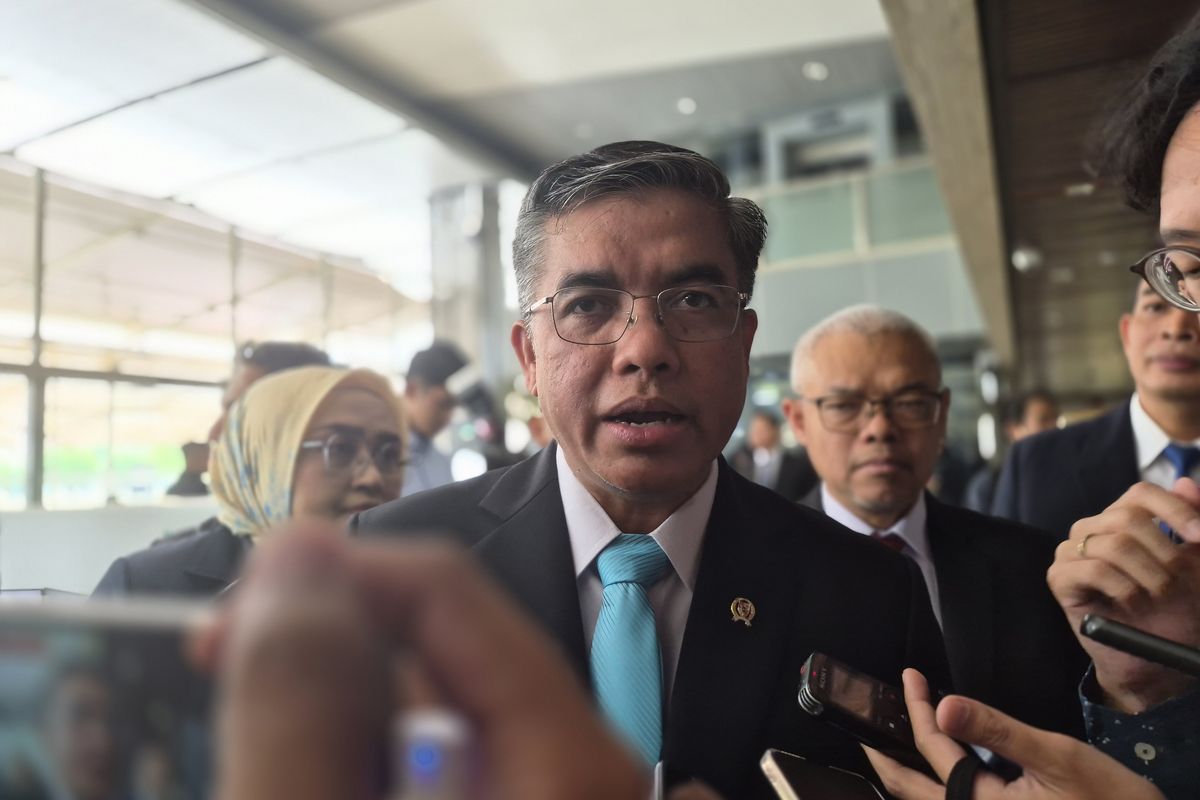
JAKARTA, KOMPAS.com - The recently enacted Employment Protection Law, approved by the DPR, establishes clear administrative and criminal penalties for employers.
These penalties are rigorously defined, proportional, and tiered for employers who violate labor protection norms.
"The penalties are designed to provide a measurable deterrent effect, prevent recurrences of violations, and ensure compliance with employment legal obligations," said Minister of Manpower Yassierli during the plenary session of the DPR on Tuesday (6/10/2026).
The Employment Protection Law also ensures regulations regarding contingency funds for severance pay and job loss guarantees for workers affected by layoffs.
Additionally, it guarantees the protection of rights for female workers, including maternity and miscarriage leave, along with corresponding wages.
"Overall, the draft law on Employment Protection reflects a balance between safeguarding the fundamental rights of workers and the sustainability of the business world," Yassierli stated.
The Indonesian House of Representatives (DPR RI) has approved and enacted the Draft Law (RUU) on Employment Protection into law.
This approval took place during a plenary session led by DPR RI Chairperson Puan Maharani at the Indonesian Parliament Complex in Jakarta on Tuesday (6/10/2026).
“We will ask each faction whether the Draft Law on Employment Protection can be approved and enacted into law?” Puan stated while chairing the meeting on Tuesday.
All eight factions within the DPR expressed their agreement, leading to the official enactment of the RUU into law.
This decision was made after receiving the report on the discussion results of the Employment Protection RUU presented by Deputy Chairman of Commission IX DPR RI Putih Sari.
According to Putih, the formation of this latest employment law is expected to provide greater certainty for workers, employers, and the government.
The RUU was also designed to build a national employment system that offers stronger protection for workers.
Additionally, the RUU aims to provide legal certainty for both workers and employers, promote the creation and expansion of job opportunities, and enhance labor competence and productivity.
The Employment Protection RUU also regulates efforts to achieve a fair and decent wage system and strengthen harmonious and equitable industrial relations.

























