

Chair of Commission III of the House of Representatives Calls East Java Police Chief to Monitor Case of Bullying Against High School Student in Malang
-
News
-
12 minutes ago
This article was translated by AI. Read the original article on Kompas.com. See Original
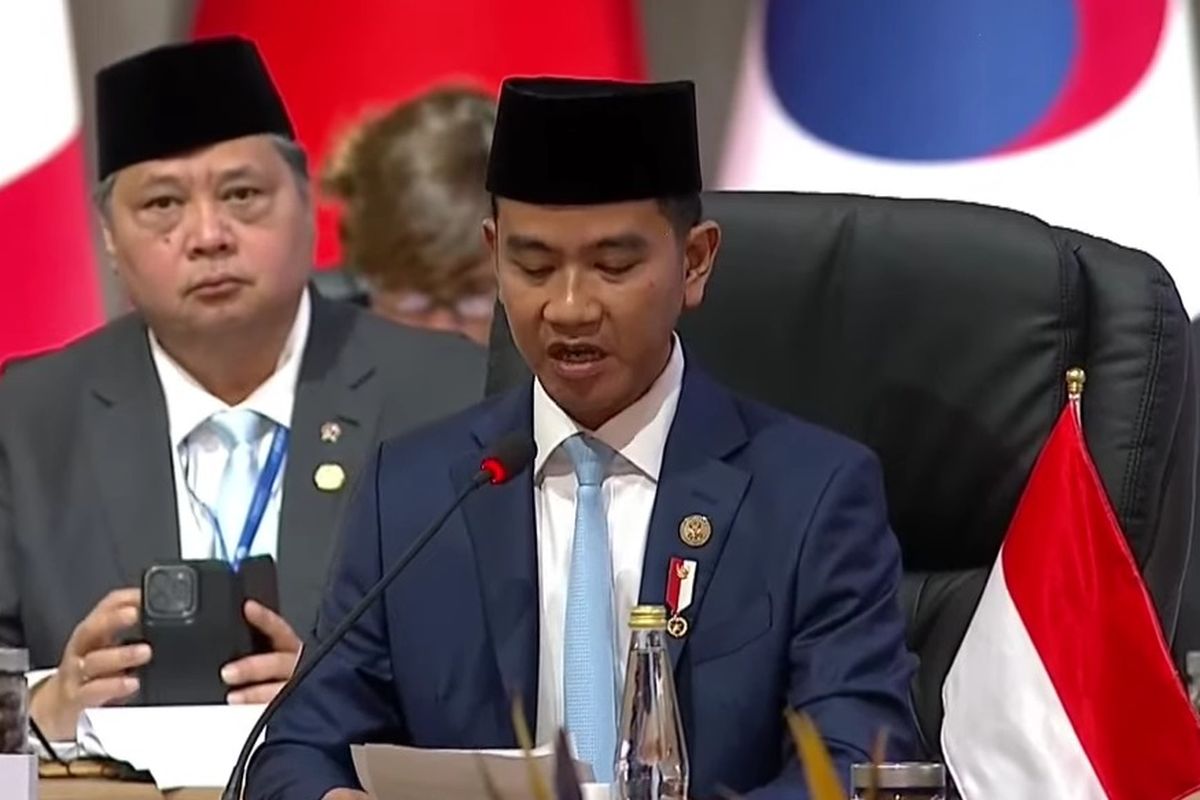
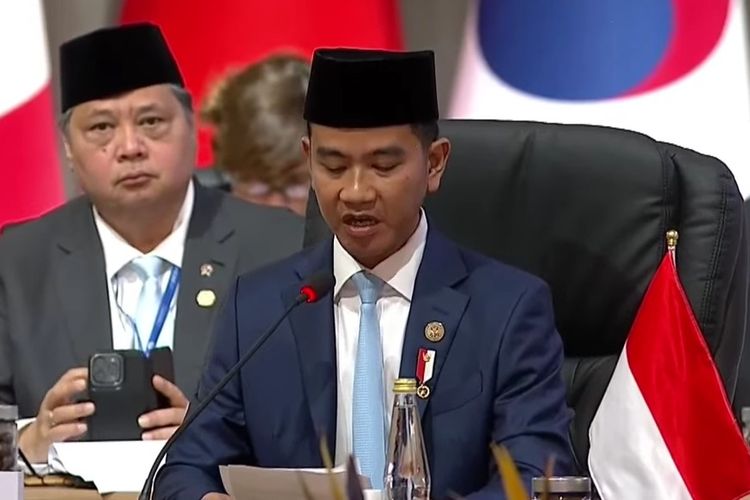
ALMOST two years after Gibran Rakabuming Raka was inaugurated as Vice President of the Republic of Indonesia, questions regarding his educational qualifications have again been brought before the Constitutional Court.
On September 10, 2026, several parties filed a dispute regarding the results of the 2024 Presidential Election, questioning the validity of Gibran's educational qualifications at the time of his nomination.
This case was subsequently registered under Number 01/PHPU.PRES-XXIV/2026.
The case did not merely linger in administrative limbo. The Court examined the petition, heard the parties' statements, reviewed evidence, and included testimonies from the Ministry of Education and Culture as well as education attaches from the Indonesian Embassies in Singapore and Australia.
Following these hearings, on October 6, 2026, the Court issued a ruling declaring the petitioners’ request inadmissible due to legal standing issues.
However, a crucial aspect of the ruling should not be overlooked.
In the hearings, the Court stated it found no convincing evidence indicating that Gibran possessed a diploma, certificate, or degree from abroad that could be equated with at least a senior high school education or its equivalent.
This finding did not result in Gibran's disqualification, as the Court determined that the petitioners lacked legal standing to request such action.
Herein lies a significant question that is far more intriguing than merely identifying who won or lost.
Interestingly, the Court did not outright dismiss the case solely because the petition was filed well past the established deadline.
The petition was submitted in September 2026, while the normal deadline for contesting the results of the 2024 Presidential Election had already expired in March 2024.
However, the Court assessed that there were special circumstances related to the fulfillment of candidate requirements, rendering objections regarding the deadline unjustified under the law.
This stance reveals that the Court actually viewed there was a matter significant enough to scrutinize.
In fact, the existence of these special circumstances served as grounds for the Court to consider the substance of the case before determining issues related to the timeline and the legal standing of the petitioners.
Thus, this case was not merely dismissed due to its late filing.
Upon reading the ruling, it is clear that the legal standing was the limiting factor.
Legislation stipulates that only candidate pairs may contest the results of the Presidential and Vice Presidential Elections.
The petitioners in this case are not candidate pairs.
Therefore, even though the issues they raised touch upon serious matters regarding candidate requirements, the Court did not have the legal room to grant their petition.
While the substance of the issue may indeed be significant, who submitted it remains the first hurdle to overcome.
What makes this ruling feel jarring is precisely what the Court itself found.
During the hearings, the Court stated it did not find convincing evidence that Gibran possessed a diploma, certificate, or degree from abroad that could substantiate an equivalence to senior high school education.
This finding was even described by the Court as a special circumstance.
The issue, however, is that after reaching these findings, the case did not advance further.
The Court stated that Gibran was no longer a candidate for vice president as he had been inaugurated as Vice President on October 20, 2024.
As a result, the Court felt unable to cancel or disqualify him and referred the matter of candidate requirements to another institution.
Here, this ruling presents a conundrum. The Court has examined the facts and found evidence but then stopped without providing legal consequences regarding the findings it itself uncovered.
For the public, what remains is not just a case deemed inadmissible, but also the Court's findings regarding educational requirements that fail to result in a clear legal outcome.
Ruling Number 01/PHPU.PRES-XXIV/2026 may close this case.
However, it has yet to provide answers to the core issue initially raised, which concerns Gibran's fulfillment of educational requirements as a vice-presidential candidate.
The Court itself has discovered there are special circumstances in this case, yet these findings did not culminate in a legal assessment of Gibran's qualifications as Vice President.
This is why this ruling should not be interpreted simply as a resolved matter.
The ruling must be respected, including the Court's declaration that the petitioners lacked legal standing.
However, respecting the ruling does not mean closing the door on discussing the implications of the findings it contains.
For there is indeed a distinction between a case that is finished and a matter that is resolved.
This case has concluded within the Court's purview.
Yet, the issue concerning the Court's findings on Gibran's educational qualifications remains a topic that desperately needs further clarification from the appropriate authority to address it.

























