
The Exodus from PSI: When the Elephant Loses Passengers
-
News
-
1 minute ago
This article was translated by AI. Read the original article on Kompas.com. See Original
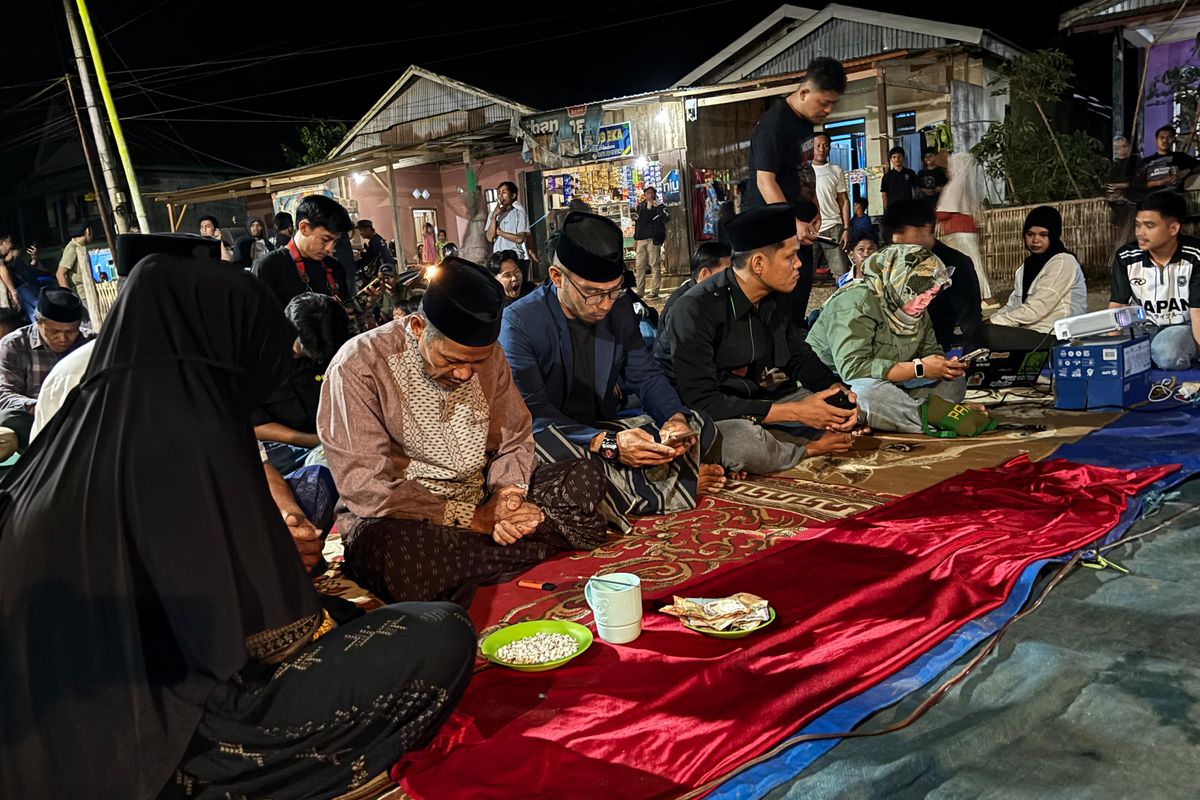
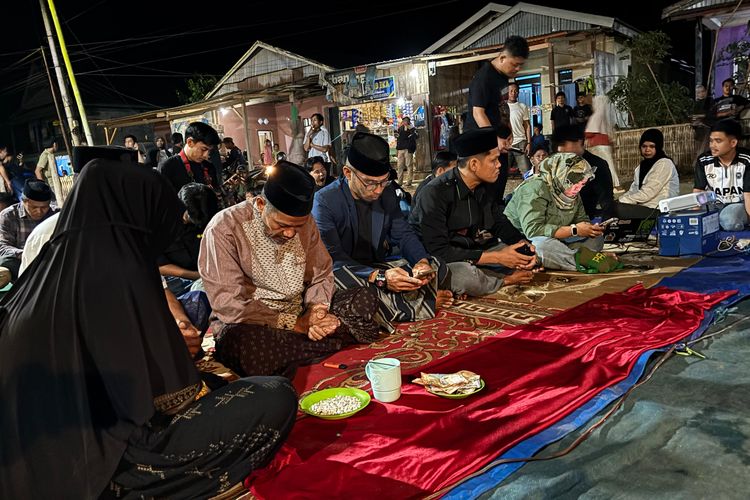
MAMUJU, KOMPAS.com - Hundreds of residents and youth in Kurasallimbo Hamlet, Botteng Village, Simboro District, Mamuju Regency, West Sulawesi, held the Traditional Festival of Tolak Bala (Rejecting Misfortune) on Sunday evening (20/9/2026).
This cultural event, themed “From the Land for Intergenerational Justice,” was organized by the Botteng Youth and Indigenous Community (KPMA) as a form of resistance against plans for Rare Earth Metal mining exploration in their customary territory.
At its peak, the community performed the Mogane ritual, a spiritual ceremony asking their ancestors to “hide” Botteng’s underground mineral wealth so it won’t be exploited by mining companies.
Muh Sahabuddin, Chairperson of the Tolak Bala Festival, emphasized that the event was deliberately kept simple, embracing traditional values without grand tents or stages, to demonstrate that the customs and culture in Botteng remain deeply rooted and intact.
“This isn’t merely a cultural exhibition but a form of resistance. If Botteng is dismantled, it will be a disaster for us,” Sahabuddin said.
He noted that the event was fully self-funded through community participation and environmental activists, with no sponsorship backing.
“We pooled our resources to dispel any notion that outside funders drive this movement. We would rather die than have our ancestral land ravaged. Our farming suffices; why become laborers if our own land is destroyed?” he asserted.
A similar rejection came from Botteng resident Isna.
She pointed out that agriculture has already provided tangible welfare to the people without sacrificing their environment.
“Now we live well from the harvests and eat peacefully. If mining comes in, what work will women here have?”
“No community near mines prospers; they only suffer,” Isna stated, prompting enthusiastic applause from the crowd.
The Botteng indigenous community’s rejection has gained support from environmental activists, legal practitioners, and academics.
Nail from the West Sulawesi Regional Council of WALHI affirmed his commitment to assist the community in protecting their living space from ecological threats.
Academic Zulkifli Yunus outlined key reasons why the Rare Earth Metal mining must be opposed, including the unrealistic promise of local job absorption.
“Rare earth metal mining is highly dependent on advanced technology. Claims to prioritize local residents are sweet talk because they know locals rarely meet the qualifications,” Zulkifli explained.
“Moreover, there is no proof that former mining sites can be fully restored ecologically to their original state,” he added.
He cited successful precedents in places like Jember and Trenggalek where communities overturned Mining Business Permits (IUP) through organized resistance, petition campaigns, and direct opposition on the ground.
From a legal perspective, LBH Coordinator Busman Rasyid reminded that the land intended for concession is customary territory.
“The community’s legal standing is far stronger because it concerns rightful ownership and customary lands, whereas companies only hold government-issued operating permits. The community must unite to safeguard their territory against division,” Busman urged.
Besides the Mogane ritual, activities commemorating Ecological Justice Day included a documentary screening about mining impacts, petition signing, declaration readings rejecting mining, and cultural performances featuring Botteng’s Kecapi music.
The community pledged to continue opposing the Rare Earth Metal mining investment plans in Mamuju until a total cancellation is achieved.
Meanwhile, Perminas public relations officer Budi has yet to respond to the community’s protests. Messages and calls on Tuesday (22/9/2026) remained unanswered as of Wednesday (23/9/2026).