
Cak Imin Encourages Pesantren-Based Vocational Schools to Elevate Standards to International Levels
-
News
-
5 hours ago




This article was translated by AI. Read the original article on Kompas.com. See Original
KOMPAS.com - For micro, small, and medium-sized enterprise (UMKM) operators, growing a business doesn't always mean launching massive marketing campaigns.
In daily practice, digitalization can take simpler forms, ranging from facilitating transactions, providing payment options for customers, to helping meet operational needs when demand rises.
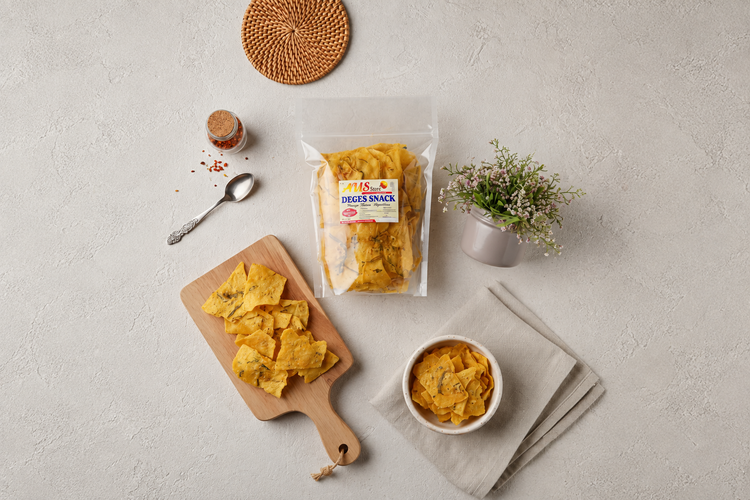
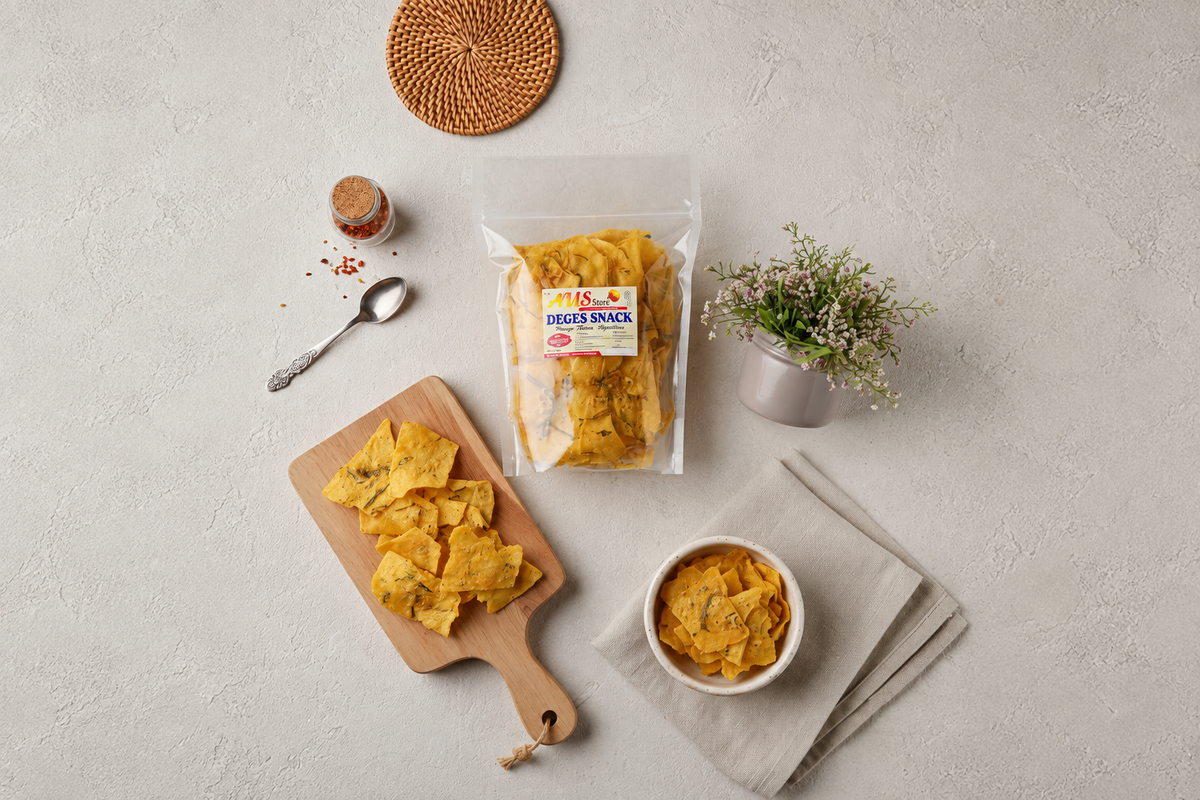
This is evident from the experience of Novrida (45), the owner of Deges Snack in Medan, North Sumatra.
Novrida began her business in 2021 by selling face masks. Over time, she spotted an opportunity in regional specialty foods and shifted to producing Mandailing-style peyek and banana chips.
The journey was not instant. She started learning various aspects, from marketing and branding to product packaging. She also participated in multiple trainings to expand her knowledge and align her business with technological developments.
“In building this business, I went through many ups and downs. I kept learning how to introduce products, understanding branding, improving packaging, attending various trainings, and adapting to technological advancements to support all business activities,” said Novrida.
The use of digital financial services and payment solutions has become a necessity in running her business.
For Novrida, digital financial services such as banking are essential to support everyday business transactions, especially for interbank transfers.
“We use SeaBank for daily business needs. It greatly simplifies transfer processes for different business purposes. One of the biggest benefits I've experienced is interbank transfers without fees,” Novrida explained.
According to Novrida, consumer transaction habits continue to evolve, especially among younger generations who are increasingly accustomed to cashless payments like e-wallets.
“I see more customers using them, especially young people. Therefore, I offer ShopeePay as a payment option so customers have a more practical and familiar choice,” she added.
For Novrida, digitalization is not just about following trends, but also about making daily business operations more practical.
Thanks to these efforts, Deges Snack has successfully expanded its market. In 2025, its products were sold as far as Germany and Hong Kong.
Currently, just from peyek sales, she earns a turnover of up to IDR 9 million per month. When combined with other snack products, Deges Snack’s monthly turnover reaches around IDR 31 million.
A different experience comes from Lasmauli (47), owner of a kacang tojin business from North Sumatra who has been running it since college in 2003.
Initially, production was done together with family members—from preparing ingredients, processing, to packaging.
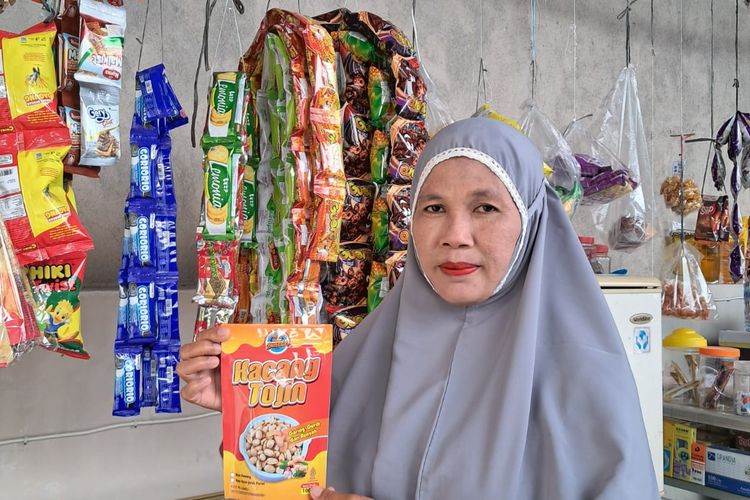 Kacang Tojin UMKM products by Lasmauli (47)
Marketing was still carried out simply by placing products in small shops and school canteens.
In addition to producing kacang tojin, Lasmauli also runs a small shop serving the local community's needs.
After years of operating this way, she began utilizing digital channels by opening an e-commerce store. This move expanded her market reach beyond local customers.
Orders for kacang tojin started coming from various regions across Indonesia, including West Java and Central Java.
Currently, her business turnover ranges between IDR 7 million and IDR 8 million per month. Besides sales of kacang tojin and the shop, Lasmauli also earns additional income from digital transaction services available at her store.
Market expansion has also required Lasmauli to be more careful in managing cash flow. One arising need is ensuring raw material availability when demand surges.
In this situation, Lasmauli uses paylater services, such as SPayLater, to help cover raw material purchases for kacang tojin production. She emphasized that digital credit use should always match payment capability.
“I use SPayLater because it helps meet raw material needs. However, its use must be adjusted to payment ability so the monthly installments run smoothly,” Lasmauli explained.
The stories of Novrida and Lasmauli illustrate that digital technology adoption in UMKM can stem from different needs.
Some entrepreneurs use it to simplify transactions and adapt to changing customer habits, while others employ it to support operational requirements as their businesses grow.
For both, technology serves as a tool that can be tailored to their business needs.
From daily transactions, customer payment options, market expansion, to fulfilling raw material needs, digital services have become part of UMKM operators’ journey in adapting to business development.
Artikel ini merupakan bagian dari Lestari KG Media, sebuah inisiatif untuk akselerasi Tujuan Pembangunan Berkelanjutan. Selengkapnya