
Resigning from MPR Leadership, HNW Now Chairs BKSAP DPR
-
News
-
17 minutes ago
This article was translated by AI. Read the original article on Kompas.com. See Original
BANGKALAN, KOMPAS.com - The growth of the local cigarette industry in four regencies on Madura Island, East Java, has boosted the morale of tobacco farmers.
Especially since many local cigarette factories have emerged, the price of raw tobacco has increased.
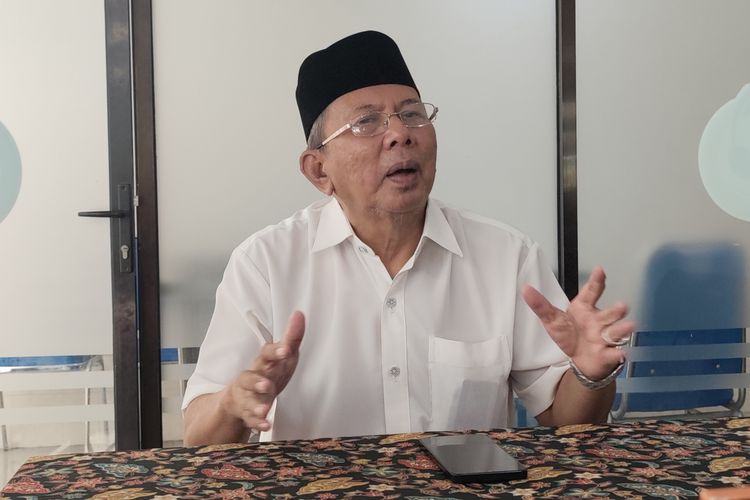
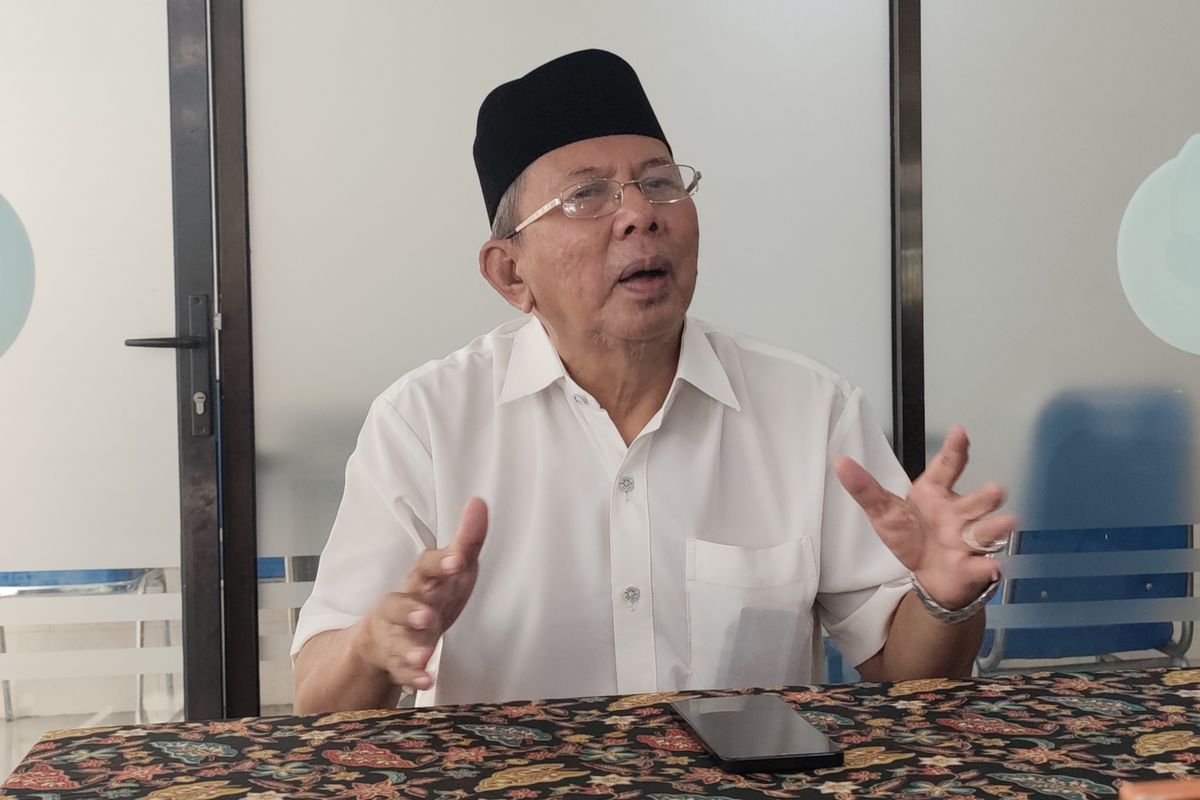
A religious leader in Bangkalan and founder of the Madura Tobacco Farmers, Traders, and Entrepreneurs Association (P4TM), KH Syafik Rofi'i, said one key figure responsible for improving the welfare of Madura's tobacco farmers is Khairul Umam, commonly known as Haji Her.
According to him, before the tobacco was bought by local factories, dry tobacco prices had plummeted. In fact, the price per kilogram was only between Rp 15,000 and Rp 25,000.
"At that time, prices collapsed because the tobacco was sent to large cigarette factories in Java. So, these middlemen bought tobacco from Madura farmers at extremely low prices," he said on Saturday (19/9/2026).
Furthermore, he explained that the tobacco factory middlemen often intimidated farmers into selling their tobacco. The frightened farmers sold their dry tobacco at prices set by the middlemen.
"These middlemen would usually scare them by saying the warehouses would soon be closed. The farmers were fearful and ended up selling their tobacco cheaply for fear it would not sell," he added.
In response to this situation, KH Syafik said Haji Her was moved to take action and negotiate together with the Madura Islamic Boarding School Scholars' Association (Bassra).
Both parties agreed to establish P4TM with a commitment to improve the livelihoods of local farmers.
"Since then, everyone united and agreed to absorb tobacco from the farmers," he explained.
Since P4TM was founded and led by Haji Her, farmers’ tobacco has been purchased at high prices ranging from Rp 60,000 to Rp 90,000 per kilogram.
"The higher tobacco prices have motivated farmers to continue planting tobacco, so to this day tobacco farmers remain in Sumenep, Pamekasan, Sampang, and Bangkalan," he said.
The abundance of tobacco crops has also been matched by the proliferation of cigarette factories in the four Madura regencies. This means farmers’ tobacco can be absorbed and locally produced by Madura’s community.
"With the growth of these local factories, expensive imported cigarettes have been sidelined because Madura’s tobacco products are equally competitive," he added.
He now hopes the government will provide protection for local cigarette factories in Madura by simplifying the process of obtaining cigarette excise stamps.
"We hope they can be supported, especially in obtaining cigarette excise licenses through proper procedures. These local cigarette factories greatly benefit the people of Madura," he concluded.