

Cak Imin Encourages Pesantren-Based Vocational Schools to Elevate Standards to International Levels
-
News
-
4 hours ago
This article was translated by AI. Read the original article on Kompas.com. See Original

JAKARTA, KOMPAS.com - The Buy Now, Pay Later (BNPL) feature, commonly known as paylater, has long been favored by many as a way to shop for desired items without having to pay upfront.
Behind its convenience, however, paylater carries significant financial risks for users.
Maryadi Santana, a financial planner from Finante, explained that the danger lies in the illusion that using this feature feels like having additional income.
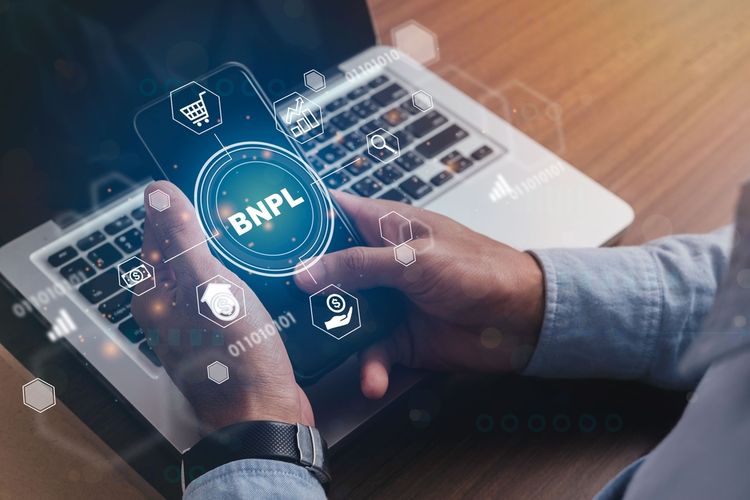
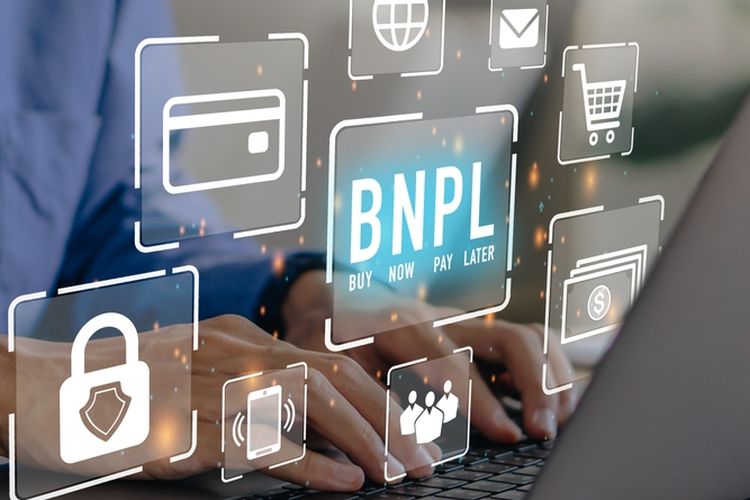 Illustration of paylater, Buy Now, Pay Later (BNPL) facility.
"It creates an illusion of extra income, as if we have additional funds for spending, when in fact all of it is debt or a loan that must be repaid the following month," he told Kompas.com on Saturday (19/9/2026).
Maryadi warned that although paylater offers installment payments, it still adds a financial burden in the subsequent month.
If left unchecked, carefully planned monthly finances could become disrupted.
Furthermore, in the long run, paylater can erode savings.
"For those who aren't strict with their budget, it can easily spiral out of control and disturb their savings and cash flow later on," Maryadi explained.
The situation is different for consumers who only use paylater to take advantage of discounts but remain disciplined with their budget and repay immediately.
Paylater usage can be considered safe if the budgeting is accurate.
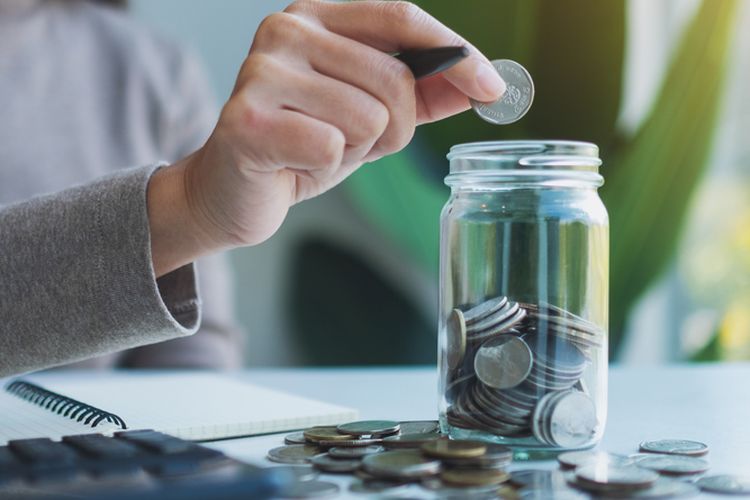 Illustration of savings, saving money.
"What I mean is, if paylater is used only to benefit from bigger discounts, but the funds to make the purchase are already available that month and are paid off immediately—not deferred to the next month," said Maryadi.
The Financial Services Authority (OJK) recorded that paylater financing by finance companies grew 57.02 percent year on year (yoy) to Rp 13.40 trillion, based on data from the Financial Services Information System (SLIK).
Agusman, the Executive Head of Supervision for Financing Institutions, Venture Capital Companies, Microfinance Institutions, and Other Financial Service Institutions (PVML) at OJK, stated that currently, paylater financing is still dominated by consumption needs.
"The BNPL transaction category most utilized by financing companies at present is financing for community consumption needs," he said to Kompas.com on Thursday (30/7/2026).
In May 2026, outstanding BNPL financing by financing companies for consumption needs reached Rp 12.26 trillion, accounting for 93.01 percent of total outstanding financing.
Meanwhile, paylater financing shares for investment and working capital are much smaller, at 5.57 percent and 1.43 percent, respectively.
This means that most paylater usage by the public is still related to consumption needs, not income-generating activities.