Cak Imin Encourages Pesantren-Based Vocational Schools to Elevate Standards to International Levels
-
News
-
1 hour ago
This article was translated by AI. Read the original article on Kompas.com. See Original

JAKARTA, KOMPAS.com - Financial planner from Finante, Maryadi Santana, revealed that workers earning the regional minimum wage (UMR) are vulnerable to falling into paylater debt traps.
"The concentration is likely among those aged 25 to 35 years old, especially workers with wages around the UMR level living in big cities with needs exceeding their income," he said when contacted by Kompas.com on Saturday (19/9/2026).
In fact, many fresh graduates or even senior workers have become accustomed to using paylater features.
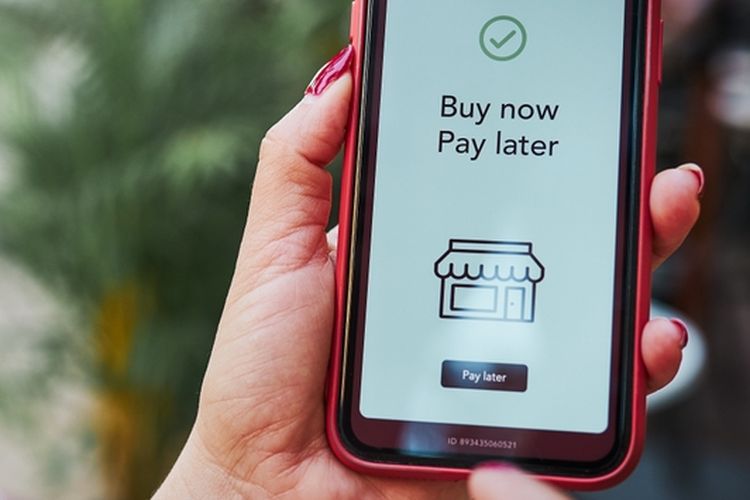 Illustration of paylater service, buy now pay later (BNPL).
Maryadi considers the trend of paylater usage in Indonesia to have become very normal.
This is because almost all payment apps and marketplaces provide this feature.
As a result, many people are curious to try it, eventually becoming addicted.
Besides being easy to use, the paylater feature also offers installment payment options.
This makes consumers feel less burdened, even though there is interest to be paid.
Another factor that drives people into the paylater trap is that e-commerce platforms often offer bigger discounts if using this feature.
Consequently, many who initially did not want to use paylater when shopping are tempted by the large discounts.
"There are bigger discounts when using paylater and an illusion of additional income," he added.
 Illustration of buy now pay later (BNPL) or paylater service.
The Financial Services Authority (OJK) recorded that paylater financing by financing companies grew 57.02 percent year-on-year to Rp 13.40 trillion, based on information from the Financial Services Information System (SLIK).
Agusman, Executive Head of the Supervision of Financing Institutions, Venture Capital Companies, Microfinance Institutions, and Other Financial Service Institutions (PVML) at OJK, said paylater financing is still dominated by consumption needs.
"The BNPL (Buy Now Pay Later) financing category most widely used currently by financing companies is for people’s consumption needs," he told Kompas.com on Thursday (30/7/2026).
In May 2026, the outstanding BNPL financing for consumption needs reached Rp 12.26 trillion, or 93.01 percent of the total outstanding.
Meanwhile, the share of paylater financing for investment and working capital was much smaller, at 5.57 percent and 1.43 percent respectively.
This means that most paylater use among the public is still related to consumption needs, not income-generating activities.