
Cak Imin Encourages Pesantren-Based Vocational Schools to Elevate Standards to International Levels
-
News
-
2 hours ago
This article was translated by AI. Read the original article on Kompas.com. See Original
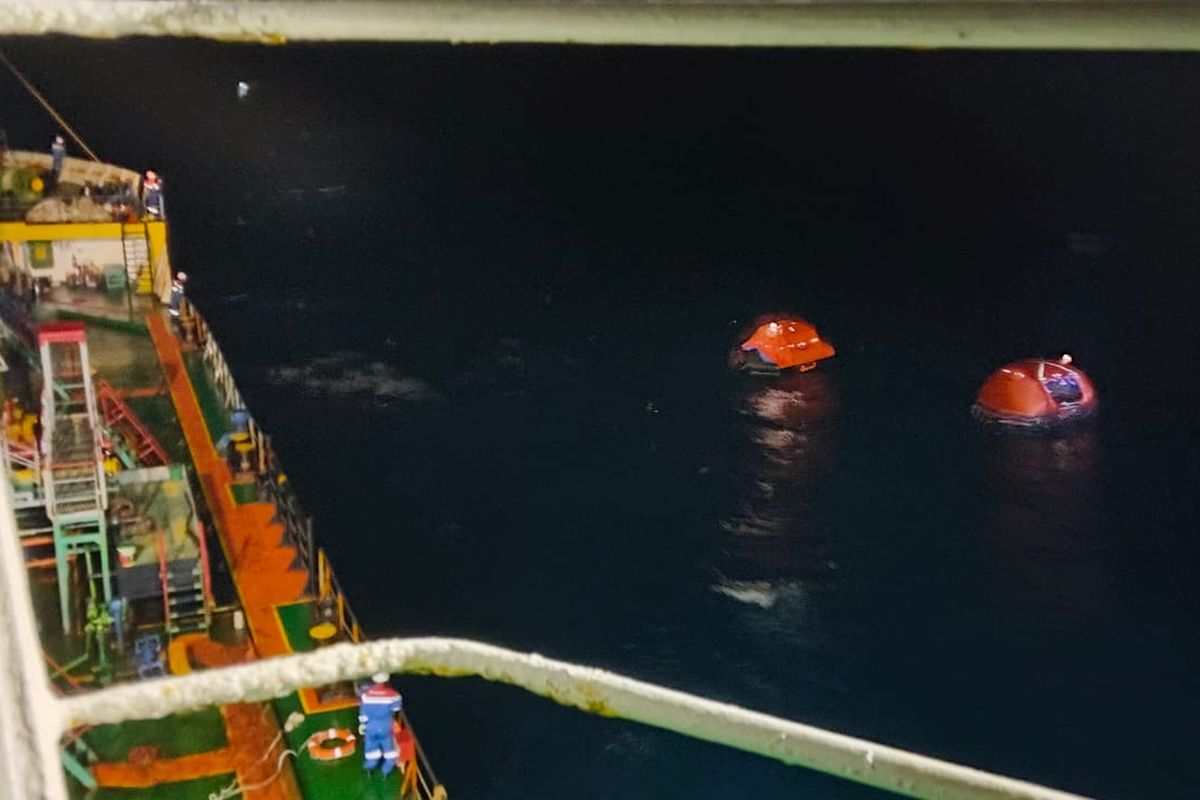
JAKARTA, KOMPAS.com – The National Transportation Safety Committee (KNKT) believes that several maritime safety regulations in Indonesia need to be reviewed to ensure that existing rules truly guarantee safety when implemented in the field.
KNKT Chairman Soerjanto Tjahjono said an evaluation is necessary if a regulation is deemed ineffective or unable to provide safety assurance.
"If the regulation is not effective or fails to guarantee safety, it must be evaluated and revised immediately to ensure maritime safety," Soerjanto said during a webinar hosted by the Indonesian Transportation Society (MTI) on Friday (18/9/2026), as reported by Antara.
One regulation under scrutiny is the Ministry of Transportation Regulation (Permenhub) PM 115, which governs the transportation of vehicles on ships.
Soerjanto pointed out issues within the provisions concerning lashing or securing vehicles to prevent cargo shifting during voyages.
He cited that while the lashing regulation mandates securing vehicles, other sections include provisions stating that not all vehicles must be lashed.
"If the regulation is ineffective or cannot guarantee safety, it must be evaluated and revised immediately to ensure maritime safety," he emphasized.
Besides the regulatory concerns, KNKT also found obstacles in the application of the rules. Soerjanto noted that the lashing ropes used on ships should have a strength of 10 tons, yet they discovered ropes with much lower strength than required.
Problems were also observed in securing large trucks. Vehicles weighing around 30 to 40 tons or more must be tied on four points on the left and four points on the right side.
However, according to Soerjanto, several ships lack sufficient lashing points to meet these requirements. This situation makes it difficult to optimally enforce the established rules on the ground.
In addition to vehicle transportation regulations, KNKT has recommended a review of Permenhub PM 28 of 2022 concerning the procedures for issuing Sailing Approval Certificates (SPB) and permissions for ship activities at ports.
Soerjanto said KNKT submitted this recommendation on January 13, 2025.
He explained that pre-departure inspections should not focus solely on verifying administrative documents. Random physical inspections are also needed to ensure the ship's condition meets safety standards.
These inspections should cover ship construction and stability, engine condition, safety equipment, as well as crew competence. Weather factors and potential risks must also be considered before departure.
Echoing KNKT's concerns, Transportation Minister Dudy Purwagandhi has called for tightened supervision of the maritime sector.
Dudy urged the Directorate General of Sea Transportation to ensure safety regulations go beyond administrative formalities and are properly enforced in operations.
According to him, every safety procedure must be carried out—from ship inspections, crew readiness, cargo conditions, to weather assessments before the vessel leaves port.
"We must ensure the ship is seaworthy, the cargo is proper, the crew prepared, weather safe for sailing, and all safety equipment functions before granting permission to sail," Dudy said in a statement on Wednesday (16/9/2026).
He also emphasized the role of the Harbor Master's Office and Port Authority (KSOP) in determining a ship's seaworthiness.
Dudy urged firm application of authority when issuing SPB. If safety requirements are unmet or dangerous conditions exist, the ship's departure should be postponed.
"If requirements are not fulfilled, do not allow the ship to sail; if hazardous deficiencies are found, stop it; and if weather conditions are unfavorable, delay departure," he asserted.
Dudy added that every maritime accident and incident must result in actionable evaluations. These evaluations should not end with reports but lead to improvements in regulations, operational standard procedures (SOP), supervision systems, and operational readiness.
To guarantee this, he tasked the Director General of Sea Transportation and all Heads of Technical Implementation Units (UPT) with mapping prioritized risks. Every corrective step must have accountable persons and be assured implemented on the ground.
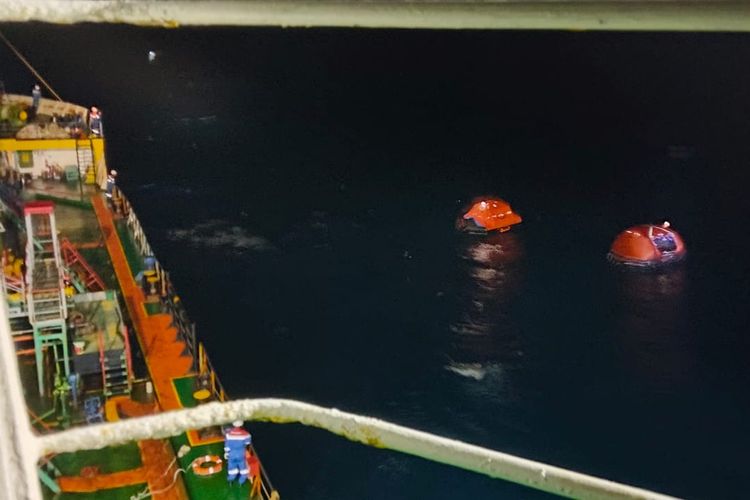
Dudy delivered these directives amid ongoing handling of the KMP Virgo Transport 8 accident. He expressed condolences and stated that the government still prioritizes search, rescue, evacuation, and victim assistance efforts.
Dudy firmly said the government would not preempt the investigations into the cause of the accident.
"Regarding this accident, I want to say I will not jump to conclusions. We should not speculate about the cause. Let the investigation process proceed professionally and independently. However, we don't need to wait for the result to start improving," Dudy said.
Part of this article has previously appeared on Kompas.com under the title Transport Minister Tightens Maritime Safety Oversight Following KMP Virgo Transport 8 Tragedy