

Klaten Chicken Soup Amidst Hamenang Corruption Case
-
News
-
38 minutes ago
This article was translated by AI. Read the original article on Kompas.com. See Original
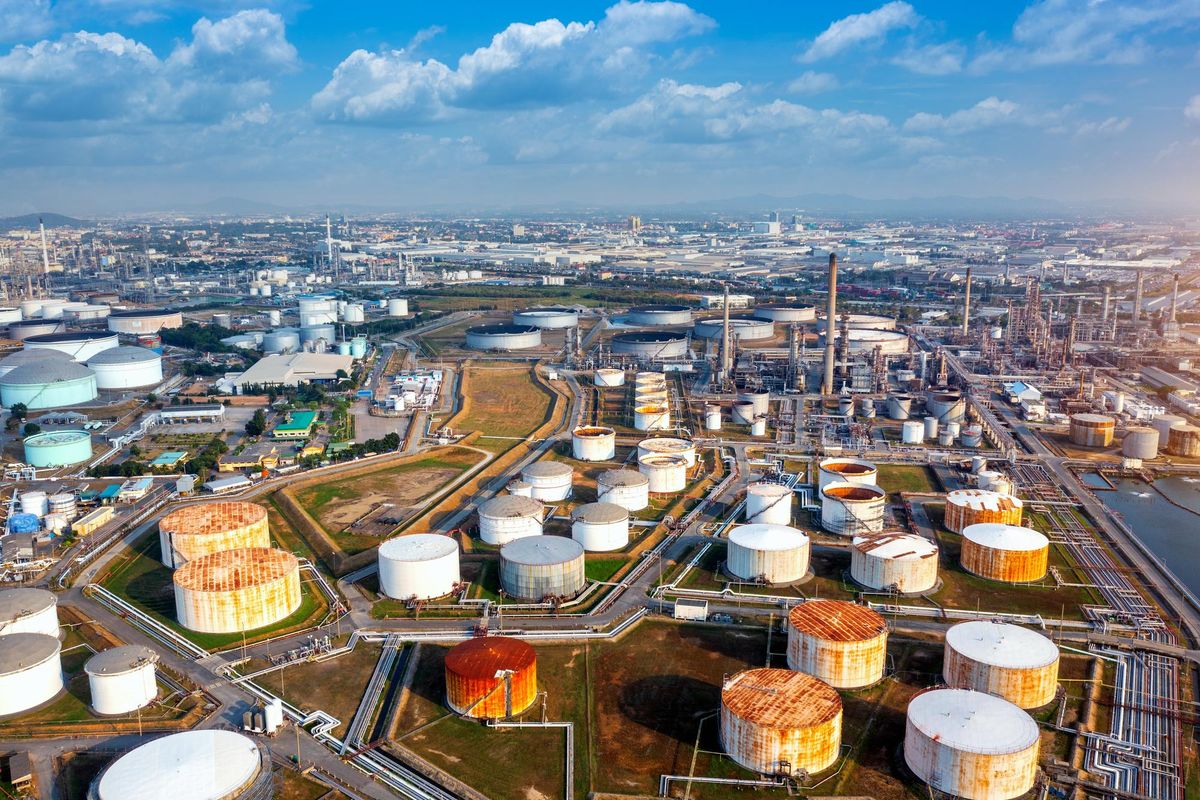
JAKARTA, KOMPAS.com - The government still faces several challenges to boost investment attractiveness in Indonesia's upstream oil and gas sector, ranging from regulatory certainty to permitting and infrastructure availability.
Energy observer from Trisakti University and Founder of ReforMiner Institute, Pri Agung Rakhmanto, stated that Indonesia still holds vast oil and gas resource potential.
However, this potential needs to be supported by a competitive investment ecosystem to attract capital for exploration and field development activities.
According to Pri Agung, the attractiveness of upstream oil and gas investment is not determined solely by subsurface resources (underground risk). Investors also consider various above-ground factors (above ground risk).
"From the underground risk perspective, we rank among the top three or four in the Asia Pacific. Meanwhile, above ground risk factors considered include political stability, economic vision and direction, regulations and policies, permitting bureaucracy, market clarity, and supporting infrastructure," he said in a written statement on Wednesday (16/9/2026).
He pointed out that these factors need to be strengthened as Indonesia competes with other countries for global capital allocation.
Several international oil and gas companies still view Indonesia as a potential investment destination, including Eni, Petronas, and Mubadala.
Besides regulatory and permitting issues, the speed of project execution is also a key concern for investors.
Pri Agung explained that the longer the time between reserve discovery and a project’s production start (onstream), the greater the negative impact on investor perception and the project's economic value.
"The longer the gap from discovery to onstream, the more it signals uncertainty and reduces the project's economic value for investors," he said.
On fiscal matters, he acknowledged that the government has implemented several improvements.
However, the competition for global capital remains intense as oil and gas projects in Indonesia must compete with investment portfolios in other countries.
He emphasized that successful investment policies cannot be judged solely by increased investment value.
The impact must also be reflected in more concrete indicators, especially increased reserves and production.
Investor confidence in the upstream oil and gas sector is reflected in investment decisions and project execution in the field.

















