

KPK Probes Semarang Customs Head, Delving into Excise Tariff Imposition
-
News
-
1 minute ago
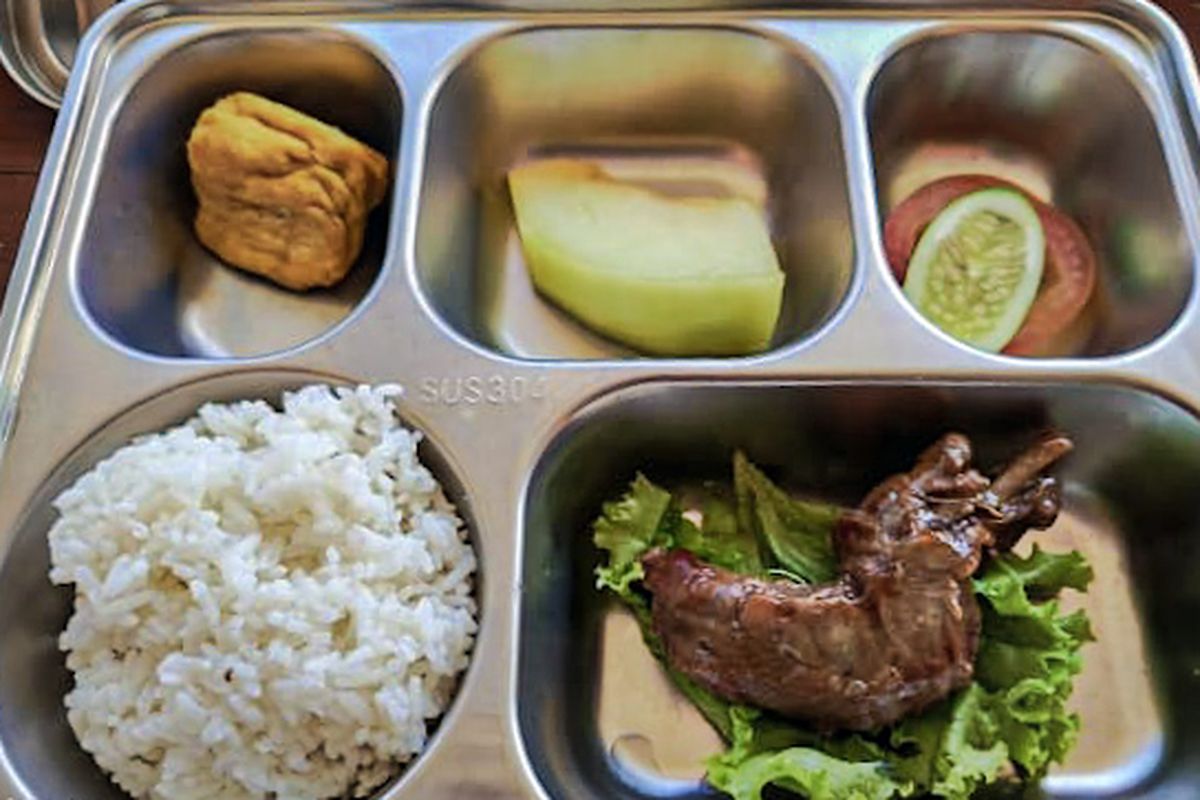
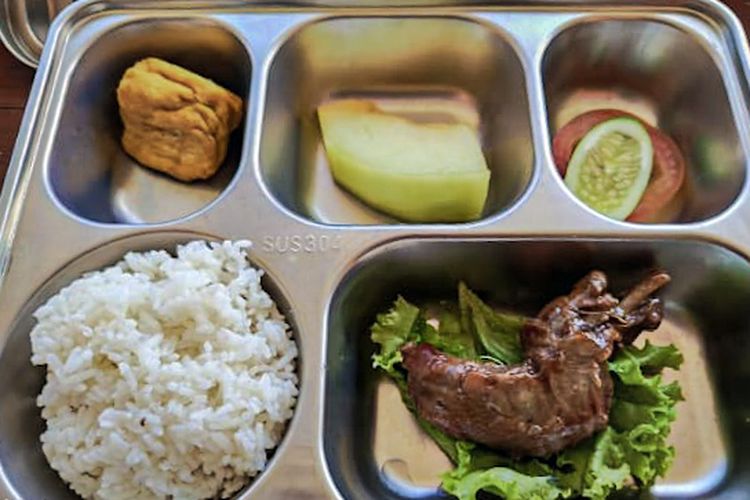
KOMPAS.com - Indonesia’s Free Nutritious Meal Program (MBG), a flagship government initiative aimed at improving public nutrition, has come under intense scrutiny after a controversial agreement surfaced. The document reportedly required beneficiaries to keep silent if cases of food poisoning occurred, raising questions about transparency and safety.
The National Nutrition Agency (BGN) denied any attempt to conceal data, stressing that it had always reported foodborne illness incidents linked to the program.
As of Monday, September 22, 2025, at least 4,711 meal portions distributed under the MBG program caused health problems classified as extraordinary events (Kejadian Luar Biasa or KLB). Local governments in Blora, Central Java, and Sleman, Yogyakarta, also confirmed that such problematic agreements had circulated in their regions. Regional officials have since called for a full evaluation to ensure the program continues to fulfill its primary goal: improving public nutrition.
BGN chief Dadan Hindayana emphasized transparency, noting that the agency never withholds confirmed data.
“If something has not been confirmed, it is better discussed internally. But once confirmed, BGN has never covered it up,” he said in Jakarta.
BGN data show that most poisoning cases occurred in Region II (2,606 cases), followed by Region I (1,281) and Region III (824). A major outbreak took place in Banggai Islands, Central Sulawesi, where 339 people suffered digestive problems after kitchens procured fish from a new supplier.
According to Dadan, most incidents stemmed from newly established communal kitchens unaccustomed to preparing meals on a large scale. He advised local nutrition service units (SPPG) to distribute meals gradually before expanding to thousands of beneficiaries.
The uproar intensified after a cooperation agreement in Blora surfaced, containing a clause requiring silence in the event of food poisoning or incomplete meal packages. Critics argued the clause endangered beneficiaries. After going viral, the document was withdrawn and replaced with a new format.
Agung Cahyono, a local military commander (Dandim 0721/Blora), confirmed the retraction.
“It was likely a template agreement with some very sensitive clauses. The organizers themselves didn’t realize such wording existed until it went viral,” he explained.
A comparable document dated September 10, 2025, emerged in Sleman, Yogyakarta, requiring MBG recipients to maintain confidentiality over suspected poisoning. Sleman education chief Mustadi acknowledged the existence of the agreement and reported it to the local government.
“From what I heard, all schools receiving MBG had to sign such agreements. I flagged it early on because the content was far too heavy,” he said.
Sleman Regent Harda Kiswaya claimed no prior knowledge of the clause, calling it inappropriate.
“This is not good. Community feedback is crucial for evaluation. We must admit weaknesses and fix them,” he said.
Responding to public criticism, Dadan urged greater openness. He even instructed every SPPG unit to create social media accounts to publish daily menus, allowing experts to monitor nutritional adequacy.
“Our nutrition experts often review the posted menus and sometimes find that a unit’s meals fall short of required standards,” he said.
He added that experts are allowed to suggest corrections to optimize the program’s Rp 10,000 ($0.65) per-portion budget. Many new kitchens, however, remain hesitant to spend their allocation fully.
“There is no cover-up on our part. We are working to make transparency the standard,” Dadan stressed.
BGN pledged regular evaluations to safeguard meal quality and minimize outbreaks. With both the poisoning incidents and the secrecy clause controversy, the MBG program now faces mounting public pressure. Observers say national and local governments must reinforce transparency to restore public trust and ensure beneficiaries receive safe, nutritious meals.
(Editorial Team: Authors: Fika Nurul Ulya, Aria Rusta Yuli Pradana, Wijaya Kusuma | Editors: Dani Prabowo, Krisiandi, Diamanty Meiliana)