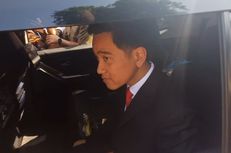

Gibran Resigns as Vice President, Prabowo: A Knightly and Statesmanlike Attitude
-
News
-
1 minute ago
This article was translated by AI. Read the original article on Kompas.com. See Original

NEWS Vice President Gibran Rakabuming Raka's resignation has created a tumultuous political atmosphere, filled with emotions and noise.
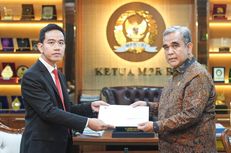
According to a source close to Gibran quoted by CNN Indonesia, the resignation letter was submitted to President Prabowo Subianto at Halim Perdanakusuma Air Force Base on November 11, 2026.
In a report on November 12, Deputy Speaker of the House Sufmi Dasco Ahmad stated that there has been no official confirmation from Gibran or the Palace regarding the letter.
Earlier, Minister of State Secretariat Prasetyo Hadi confirmed that Gibran had expressed his intention to resign.
The intent to resign has been confirmed, while the news of the letter submission at Halim is still awaiting confirmation at that time.
The information remains unclear, but people are already speculating on its implications.
If Gibran resigns, some may interpret it as an admission of guilt.
If he chooses to stay, others might accuse him of shirking responsibility. If he speaks out, he may be seen as seeking justification. If he remains silent, even that silence can be interpreted.
When all possibilities lead us to the same conclusion, is there still room for facts to change our opinions?
Disagreement is normal in politics. Citizens have the right to question the validity of documents, scrutinize officials, and demand accountability.
Sometimes, tough questions are necessary. What makes the conversation noisy is when people busy themselves guessing intentions, hurling insults, and labeling each other, while the fundamental questions remain unanswered.
Charles Taber and Milton Lodge describe one of these tendencies as motivated reasoning.
In simple terms, we find it easier to trust information that aligns with our views.
When information contradicts our beliefs, we are more zealous in seeking its flaws.
We might feel we are weighing evidence, yet we apply different standards to news we prefer and that which we do not.