
What Did the Former BPK Chairman Say to Exonerate Yaqut in the Hajj Quota Corruption Trial?
-
News
-
5 minutes ago
This article was translated by AI. Read the original article on Kompas.com. See Original
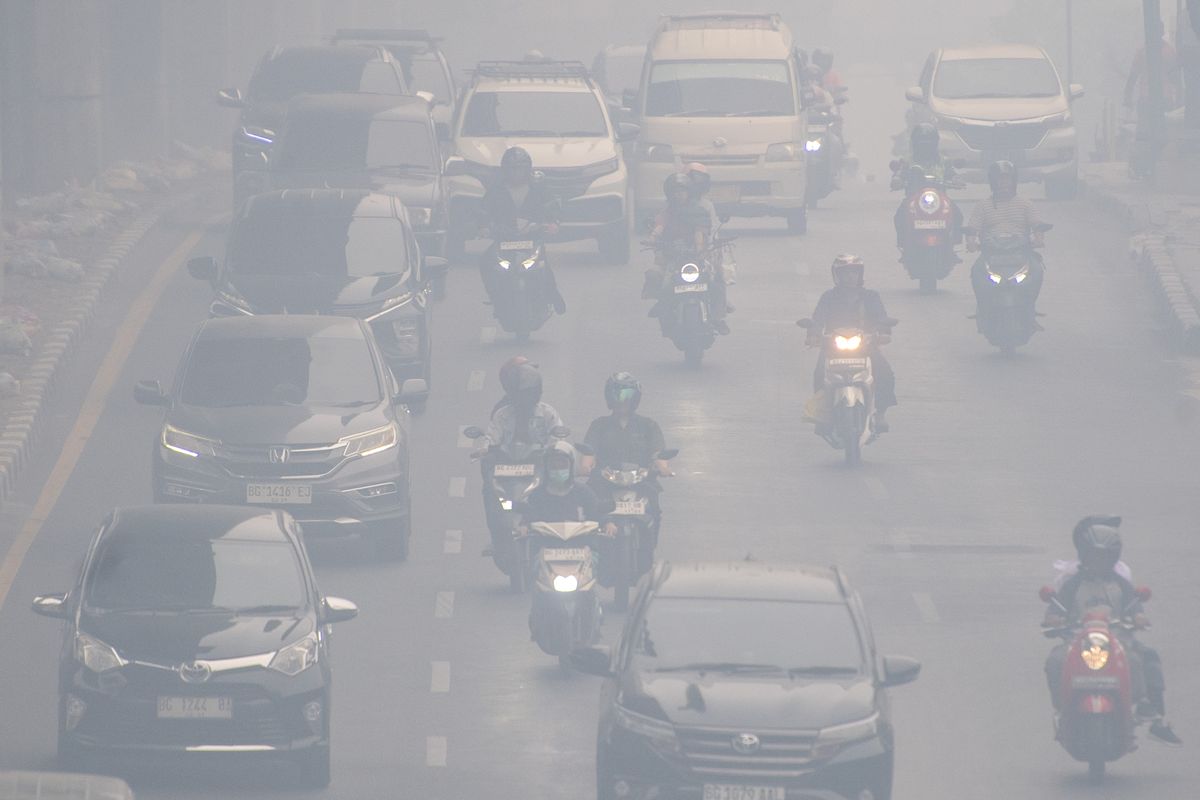
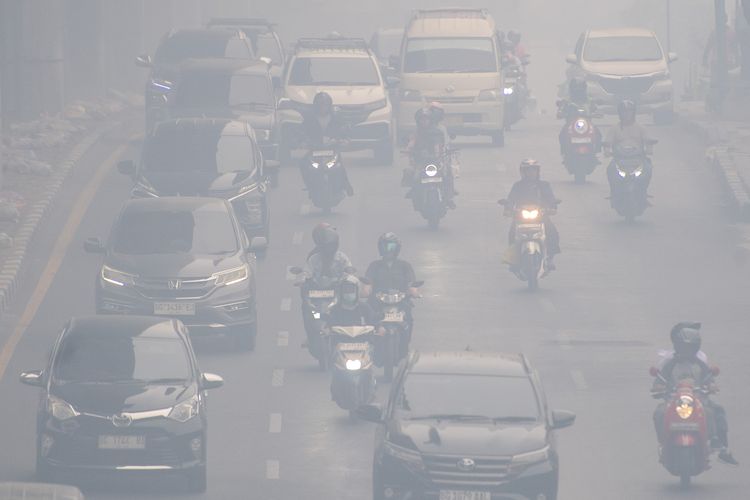
THE MORNING is not yet fully bright. Smoke still hangs in the air. A mother checks on her child who has been coughing since last night. The plan to go to school hangs in the balance.
Outside, the pace of daily life feels slower. Some must continue working even though the air feels suffocating.
For families relying on daily wages, staying home is not an easy choice. Not working means losing income, but working comes with health risks.
Forest and Land Fires (Karhutla) are not merely statistics regarding land burnt in government reports. This disaster impacts the lives of residents with unbreathable air, threatened livelihoods, and escalating health care costs.
They must bear the consequences of environmental damage that is not entirely under their control.
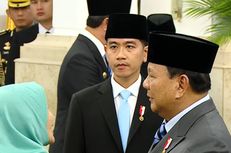
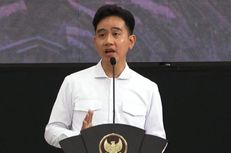
In such circumstances, the administration of Prabowo Subianto and Gibran Rakabuming Raka enters the second year of its tenure.
The presidential and vice-presidential terms last for five years, meaning there are still three years remaining before citizens can choose national leadership again through elections.
However, for most of the public, the past two years feel significantly longer than the calendar suggests.
This is not because time has slowed, but because life’s issues have become heavier, while expectations for change have yet to fully materialize.
The government certainly has a range of statistics to showcase its successes. Economic growth, investment realization, and various development indicators can serve as proof that the country is moving in the right direction. However, aggregate numbers do not always reflect the concrete experiences of the populace.
Economic growth does not automatically make jobs easier to obtain. An increase in investment does not necessarily improve workers' welfare.
A drop in poverty rates does not automatically alleviate families' anxieties about meeting their needs for food, education, health, and housing.
For families with steady incomes, managing expenses when transportation, kitchen needs, schooling, and health costs are continually consuming their income is a struggle.
For small traders, a decrease in consumer purchasing power can lead to reduced sales. Meanwhile, for farmers, a good harvest does not guarantee profit when selling prices drop while production costs remain high.
This experience highlights the gap between the successes announced from the centers of power and the realities faced by society.
The issue is not merely whether the government has been working, but for whom the benefits are enjoyed, and who bears the costs?
The Free Nutritious Meal Program (MBG) and the Red and White Village/Community Cooperatives are two major agendas of the Prabowo administration.
Both have important goals: to improve child nutrition and strengthen the village economy. However, good intentions do not automatically guarantee effective implementation.
Large-scale programs require meticulous planning, capable institutions, stringent supervision, and accountable financing.
A substantial budget does not by itself prove success if the benefits do not match the costs.
At the same time, local governments face limited fiscal space to meet road, education, health, and economic empowerment needs.
National programs should strengthen local capacities, not merely make them implementers.
Villages should not just serve as locations for constructing outlets, warehouses, or service units. Communities need to be involved in deciding enterprises, managing institutions, and ensuring economic benefits return to the residents.