

Cak Imin Encourages Pesantren-Based Vocational Schools to Elevate Standards to International Levels
-
News
-
5 hours ago
This article was translated by AI. Read the original article on Kompas.com. See Original
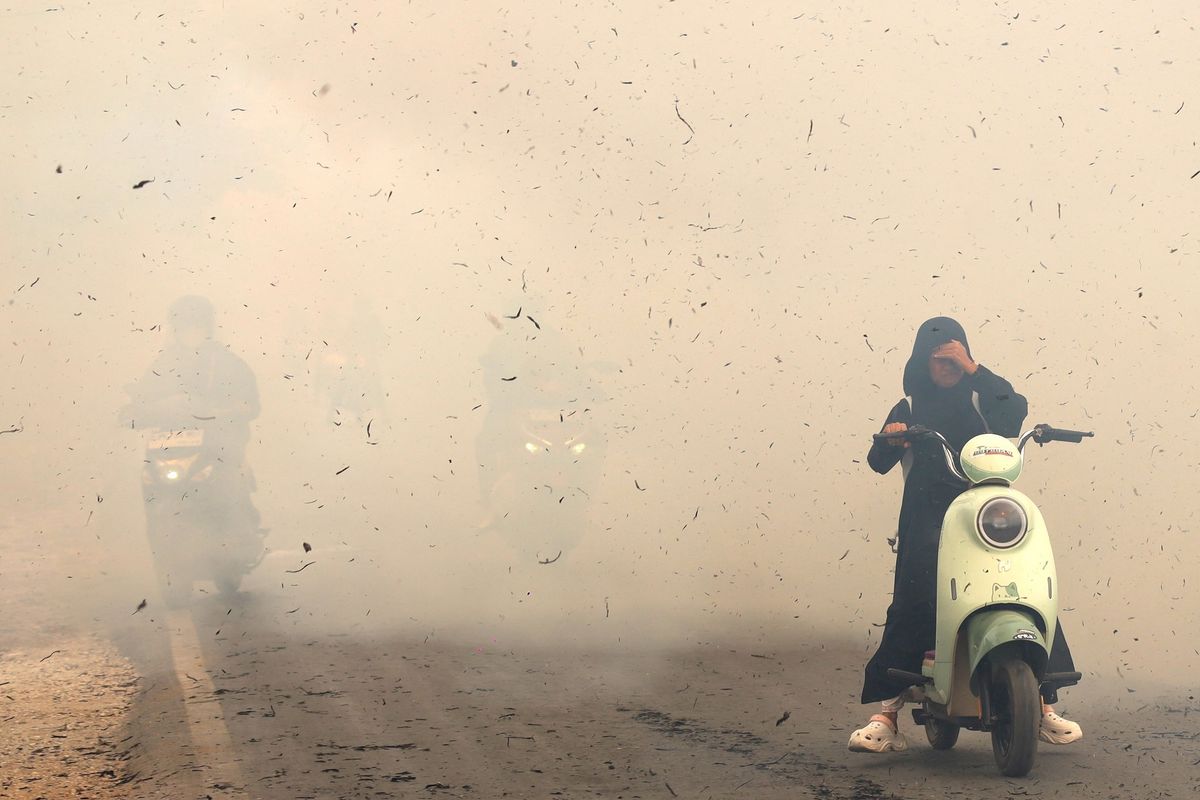
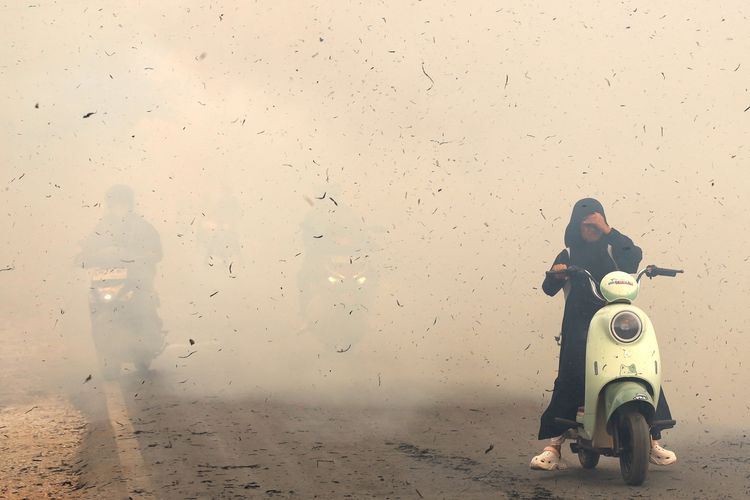
SCHOOLS teach us to be citizens. But when forests are burning and the air our children breathe poses health risks, have we learned to be global citizens?
This question becomes increasingly urgent as Kompas.com reports that in mid-October 2026 areas of Indonesia, like Kalimantan, Sumatra, and Papua, have been hit by devastating forest and land fires.
In the Bromo Tengger Semeru National Park, East Java, fires have tragically taken the lives of four officers and volunteers attempting to extinguish the flames.
Simultaneously, flash floods have struck Padang City, West Sumatra, submerging homes and forcing residents to evacuate.
As a teacher of Pancasila and Citizenship Education, I view these events as a test for the very meaning of citizenship education.
In the classroom, we typically teach students to be responsible democratic citizens who adhere to rules and care for the environment.
However, education should not stop at merely shaping disciplined citizens; it must also equip them with the ability to critically assess public decisions, investigate the interests underlying land use, and question why the profits of development do not always align with the ecological risks they must bear.
Democratic citizens must not only be aware of their rights and obligations but should also understand how power operates, evaluate policies that affect the common good, and advocate for the safety and sustainability of life, ensuring they are not undermined by the profit motive.
In our cultural heritage, we have a strong and rooted tradition of preserving knowledge and memory about the relationship between humans and the natural world that sustains life.
The macapat tradition, for instance, passes down values and worldviews from generation to generation through verse.
An example can be found in the Serat Wedhatama, which contains the profound expression, “Salami mung awas eling, eling lukitaning alam.”
This lyric conveys a message urging us to remember and be aware of the natural order and the relationships that support human life.
In a deeper context, eling is not merely about remembering, but maintaining an awareness that humans are not separate entities from nature, but part of a web of life that mutually supports each other.
Yet, eling should not be merely interpreted as a moral admonition to love nature.
When fires threaten residents' health and floods destroy homes and livelihoods, we must go further to address the structural roots that trigger these disasters.