
Komnas HAM Reveals the Impact of 2026 Forest Fires on Infants to the Elderly
-
News
-
4 minutes ago
This article was translated by AI. Read the original article on Kompas.com. See Original
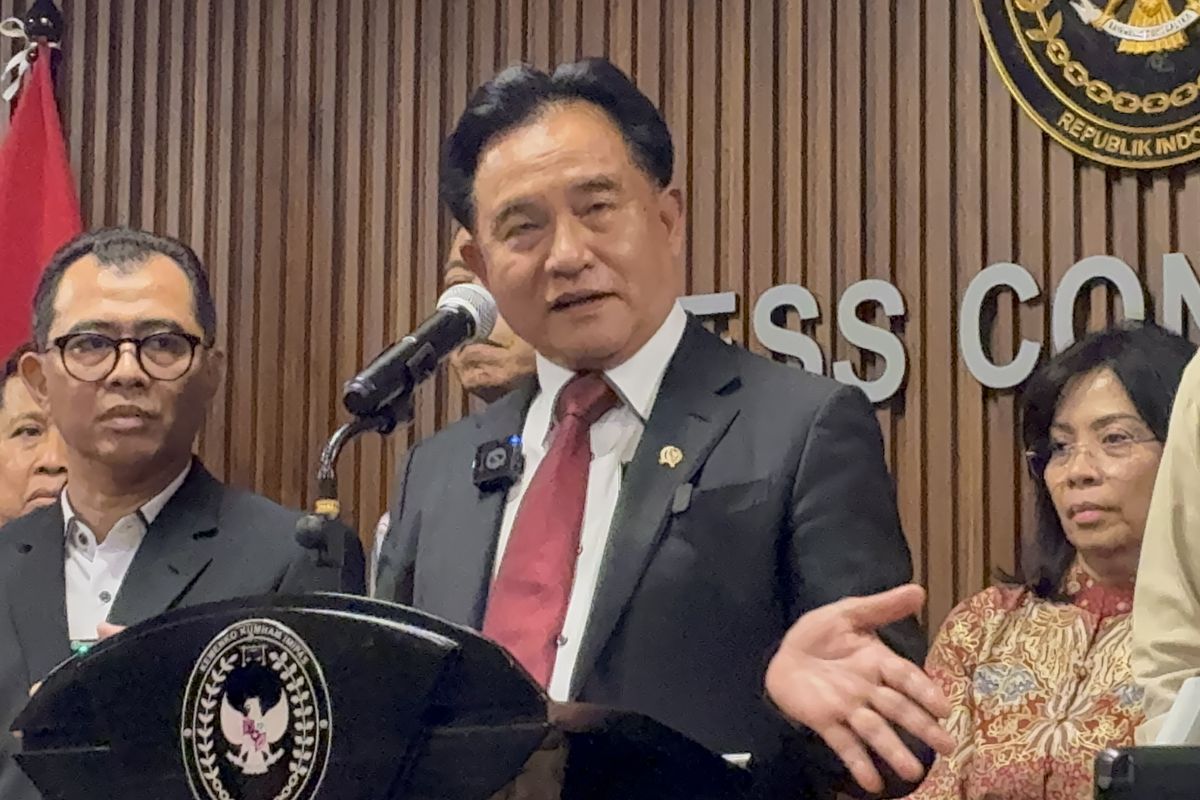
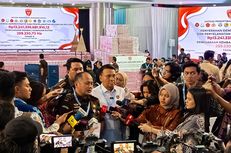
JAKARTA, KOMPAS.com - Coordinating Minister for Law, Human Rights, Immigration, and Correctional Affairs, Yusril Ihza Mahendra, has proposed utilizing uninhabited islands as rehabilitation centers for drug victims, equipped with crocodile and pig farming facilities.
This initiative aims to provide productive training while also addressing overcrowding issues in correctional facilities.
In his explanation, he stated that rehabilitation for drug victims should go beyond just medical treatment.
The process must also include mental coaching, education, and skills training so that victims can reintegrate into society.
"But, let’s not interpret it as just putting them there to be eaten by crocodiles. The crocodiles will be driven away or perhaps kept in captivity there for farming purposes. Crocodile skin is very valuable in the business world," Yusril said on Friday (10/10/2026).
"Rather than the crocodiles eating people, it’s better to process the skin into high-end branded bags. As for pigs, since crocodiles can eat pigs, there’s nothing wrong with that," he added.
He then highlighted the abundance of uninhabited islands in Indonesia.
According to him, these islands hold potential for supporting rehabilitation programs.
However, he mentioned an island in East Belitung Regency that is feared by locals due to its large crocodile population.
“In my regency, East Belitung, there is an island less than 30 minutes away by boat. It spans 700 hectares and has no human residents. However, people are afraid to go there because of the many crocodiles,” he said.
In addition to discussing the use of uninhabited islands, he noted the potential involvement of the Indonesian National Armed Forces (TNI) in drug rehabilitation through non-combat roles or military operations other than war.
He suggested that the TNI’s involvement could focus on community service activities, including assisting in the training of drug victims to acquire skills and reintegrate into society.
He emphasized that this concept needs to be supported by clear regulations, including the designation of responsible agencies for implementing rehabilitation, and the distribution of responsibilities among the TNI, police, and related institutions.
"In addition to combat duties, there are non-combat tasks. Non-combat duties include serving the community in rehabilitating drug victims, who hopefully will become good citizens. They will gain skills in crocodile farming, agriculture, and more, which will certainly benefit the nation and state,” he stated.