

Trial Reveals Illegal Fees for Foreign National Residence Permits Still Ongoing Despite Online Services
-
News
-
4 minutes ago
This article was translated by AI. Read the original article on Kompas.com. See Original
JAKARTA, KOMPAS.com - The Ministry of Hajj and Umrah (Kemenhaj) has reiterated that regular Hajj booking numbers must not be used as means for transactions or trading.
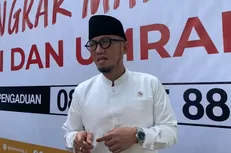
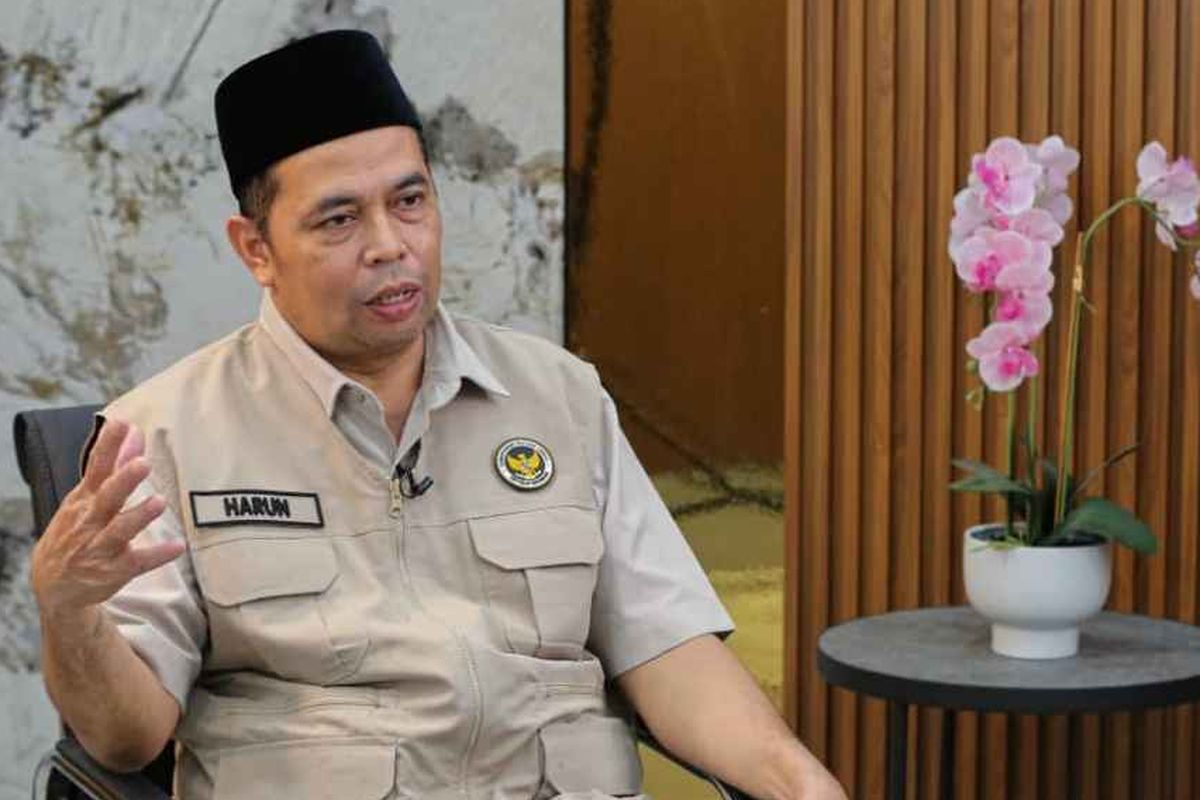
“We want to send a clear message that Hajj booking numbers are not commodities to be bought or sold,” said Harun Al Rasyid, Director General of Hajj and Umrah Administration Control at Kemenhaj, in a statement quoted on Sunday (20/9/2026).
This statement comes amid ongoing investigations into alleged irregularities involving the transfer of regular Hajj booking numbers in East Java.
Harun emphasized that the transfer of booking numbers involves pilgrims’ rights and must be conducted according to applicable regulations.
“We will follow up on any reports indicating violations. The transfer of booking numbers concerns the rights of the pilgrims and must not become a space for transactions or abuse,” he said.
“We want to ensure that the process is proper, the data is valid, and the pilgrims’ rights are protected,” Harun added.
According to Harun, the mechanism for transferring booking numbers already has established requirements and clearly defined recipients.
Therefore, this mechanism must not be used for trading Hajj departure queues.
“The state must ensure that the queue and Hajj services run fairly, transparently, and in accordance with regulations,” Harun stated.
Kemenhaj has previously collected materials and statements and requested clarifications from several parties related to the alleged irregularities involving the transfer of Hajj booking numbers during the operational Hajj period in 2026.
The investigation took place at the East Java High Prosecutor’s Office from September 14 to 18, 2026.
A total of 19 out of approximately 30 identified parties related to the case have been questioned.
These parties come from various backgrounds, including officials from the Ministry of Hajj and Umrah in regional offices, Hajj and Umrah Guidance Groups (KBIHU), population administration agencies, hospitals, pilgrims, and their families.