

Gibran's Nomination Hearing: Denny Indrayana's Team Presents Titi Anggraini and Former DPR Members
-
News
-
9 minutes ago
This article was translated by AI. Read the original article on Kompas.com. See Original
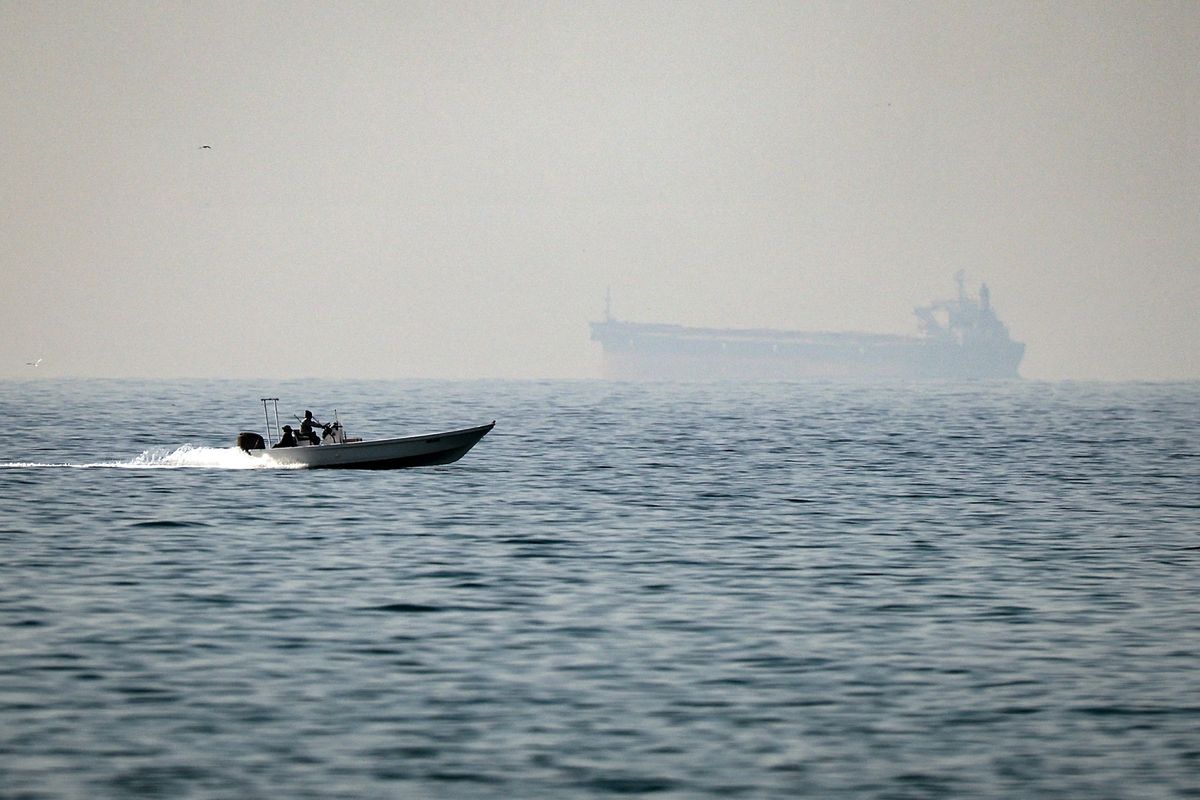
KOMPAS.com - Shipments of crude oil and liquefied natural gas (LNG) through the Strait of Hormuz have started to increase in the last two weeks.
United States Central Command (CENTCOM) Commander Admiral Brad Cooper said the volume of shipments passing through this strategic route has reached its highest level in six months.
According to Cooper, the rise in maritime traffic indicates that US military escorts and mine-clearing efforts along the shipping lanes are beginning to bear fruit.
"Clearly, momentum is building," Cooper said in a video message on Saturday (19/9/2026), quoted from Bloomberg.
Cooper added that key shipping lanes in the Strait of Hormuz have been cleared of mines. US partner countries in the Persian Gulf region have also shipped over 1 billion barrels of crude oil through the strait in recent months.
Cooper explained that the US, together with its Gulf partners, insurance companies, and shipping firms, continue their efforts to boost shipping flows through the Strait of Hormuz.
"These efforts are paying off. The volume of crude oil, cargo, and LNG in the past two weeks is higher than at any time in the last six months," Cooper said.
The Strait of Hormuz is a vital shipping lane for global energy trade. Therefore, smooth vessel traffic through the strait is closely watched by oil markets whenever regional conflicts disrupt supply routes.
US Energy Secretary Chris Wright said on September 13, 2026, that the oil market still relies on the shipment of about 10 million barrels per day of crude oil and petroleum products through the Strait of Hormuz.
"The oil market is tighter than we would like, but not excessively tight," Wright stated.
Cooper’s remarks come as the global oil and petroleum product markets continue to face pressure since the summer.
One trigger has been a series of drone attacks related to the Iran conflict. These strikes disrupted operations of a Saudi Arabian pipeline that serves as an alternative route to bypass the Strait of Hormuz.
Iran continues to claim it has closed the Strait of Hormuz, while regional negotiations on mutually agreed shipping routes have yet to yield results.
Meanwhile, the administration of President Donald Trump has repeatedly highlighted tanker traffic volumes passing through the Strait of Hormuz in recent weeks.
This attention arises amid rising gasoline and diesel prices in the US and as the Trump administration faces the midterm elections.