

Indonesian National Police Explain the Reasons for Not Implementing ETLE Nationwide
-
News
-
2 minutes ago
This article was translated by AI. Read the original article on Kompas.com. See Original
JAKARTA, KOMPAS.com - A coalition of civil society and anti-corruption figures has urged the Indonesian Parliament (DPR RI) to make the draft of the Asset Confiscation Bill public, ahead of its planned approval in December 2026.
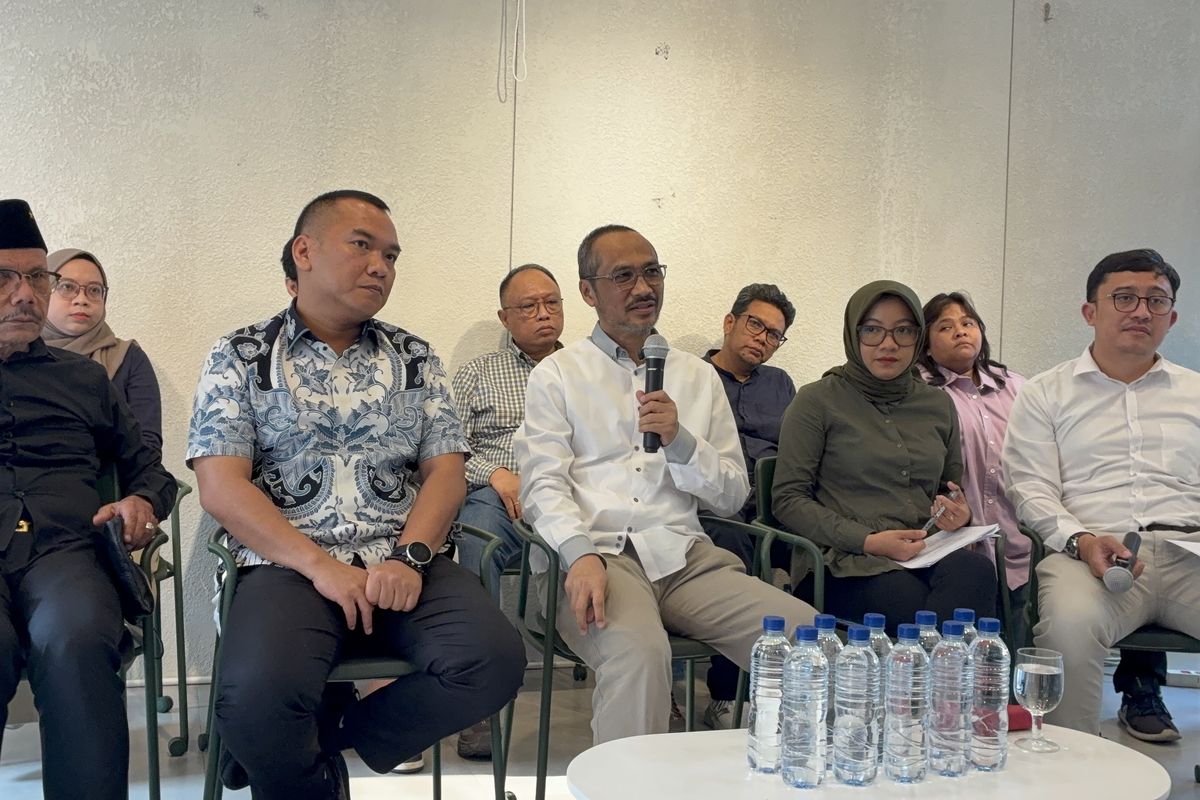
“This call is a demand for transparency and accountability, especially since the public has already developed and submitted key points on the draft Bill for comparison,” said Lakso Anindito, a coalition representative and Chairperson of the IM57 Institute, during a press conference at the ICW office in Jakarta on Friday (18/9/2026).
Lakso said the coalition also insists that the DPR include two types of confiscation and authorities within the Bill.
The first type is unexplained wealth confiscation through non-conventional criminal procedures, allowing the state to effectively target assets whose origins cannot be explained.
Read also: KPK Says Rafael Could Become a Suspect If Indonesia Enforces Illicit Enrichment
The second is illicit enrichment confiscation through non-conventional criminal routes, without relying solely on proving predicate criminal acts.
“Then, the authority to submit asset confiscation requests should not only be given to the Attorney General’s Office but also to the KPK, with primary authority resting with the KPK,” he added.
Lakso also urged the DPR to reinforce a system of checks and balances at every stage of the asset confiscation process to prevent abuse of authority.
“Additionally, safeguards such as the threshold for the Bill’s application must be implemented to ensure the Asset Confiscation Bill is not misused as a tool for public criminalization,” he explained.
Read also: ICW Demands DPR Disclose Draft Asset Confiscation Bill to the Public
Lakso noted the coalition also advocates for serious reform of law enforcement institutions to prevent misuse during implementation of the Asset Confiscation Bill.
“And stressed that the Bill’s passage should not be rushed merely to meet deadlines if that undermines the quality of its substance and the effectiveness of corruption eradication in Indonesia,” he said.
The civil society coalition and anti-corruption figures present for this statement included former KPK Chair Abraham Samad and former Deputy Chair Thony Saut Situmorang.
Also attending were Almas GP Sjafrina, acting Coordinator of Indonesia Corruption Watch (ICW); Tomy Suryatama, Deputy Chair of the Anti-Corruption Movement Across Universities (GAK-LPT); Arif Adiputro from the Indonesian Parliamentary Center (IPC); Veni Siregar of Kaoem Telapak, and the Center for Indonesian Law and Policy Studies (PSHK).
They were joined by representatives from the Indonesian Transparency Society (MTI), AURIGA, THEMIS, Rimawan Pradiptyo, Gandjar Laksmana Bonaprapta—Chair of GAK LPT and Criminal Law Academic—as well as Saor Siagian and Ahmad Alamsyah Saragih.